-
How Do Interactive Toys Enhance Learning Engagement for Young Children

Early childhood learning depends heavily on attention, repetition, and hands-on involvement. Young children grasp ideas faster when they can see, touch, and respond to what they are learning. Interactive toys play a direct role in this process by turning basic lessons into active experiences. Rather than passive observation, children participate in tasks that require thinking and action. This article explains how interactive toys support learning engagement, focusing on skill development, attention span, and practical learning outcomes. It also explains how toys help kids in early education by supporting structured and goal-based learning at an early stage.
What Are Interactive Toys in Early Learning?
Interactive toys are play items that respond to a child’s actions through sound, movement, light, or feedback. These toys often involve pressing buttons, solving simple problems, matching shapes, or responding to questions. The response from the toy creates a loop of action and reaction, which keeps children involved.
Unlike traditional toys that rely only on imagination, interactive toys guide children through specific tasks. This approach supports learning goals such as counting, letter recognition, color identification, and basic problem-solving. The interaction keeps children focused on the activity for longer periods, which supports learning retention.
Improving Attention and Focus Through Active Play
One of the main learning challenges for young children is maintaining attention. Interactive toys help address this by requiring continuous involvement. When a toy reacts immediately to a child’s input, the child is more likely to stay focused.
For example, a toy that asks a question and waits for a response encourages listening and thinking before acting. This process improves concentration and reduces distraction. Over time, repeated interaction with such toys helps children build the habit of completing tasks without losing focus.
This focused engagement explains how toys help kids in early education by supporting classroom readiness and structured learning behavior.
Supporting Cognitive Skill Development
Interactive toys contribute directly to cognitive growth by encouraging thinking, memory, and reasoning. Many toys are built around simple challenges such as matching, sequencing, or identifying correct answers. These activities help children understand cause-and-effect relationships.
When a child presses the correct button and receives positive feedback, the brain links the action with the result. This reinforces learning through repetition. Toys that gradually increase difficulty also help children adapt and improve problem-solving skills at a steady pace.
Such structured interaction helps children process information in a clear and organized manner.
Encouraging Language and Communication Skills
Language development is another area where interactive toys play an important role. Toys that speak words, ask questions, or encourage responses help children learn pronunciation and sentence structure. Repeated exposure to words through play improves vocabulary.
Some toys prompt children to repeat words or answer simple questions. This practice improves listening skills and verbal response. Children also become familiar with instructions, which supports understanding and following directions.
These communication-based interactions show how toys help kids in early education by building a strong foundation for reading and speaking skills.
Developing Motor Skills Through Interaction
Interactive toys often require physical actions such as pressing buttons, turning knobs, stacking pieces, or moving objects. These actions support both fine and gross motor skill development.
Fine motor skills improve when children use fingers to interact with small parts. Gross motor skills develop when toys encourage movement, such as pushing, pulling, or reaching. These physical activities strengthen coordination and control.
Motor skill development is closely linked to brain development, making physical interaction an important part of early learning.
Promoting Independent Learning Habits
Many interactive toys allow children to explore and learn without constant adult guidance. Clear instructions, visual cues, and feedback help children understand tasks on their own. This supports independent learning habits from an early age.
When children solve problems independently, they gain confidence. They also learn to try again after making mistakes, which builds patience and persistence. These habits are useful as children move into formal learning environments.
Independent interaction explains how toys help kids in early education by supporting self-guided learning and responsibility.
Reinforcing Learning Through Repetition
Repetition is a key factor in early learning. Interactive toys allow children to repeat activities without losing interest because the experience feels like play. Repeating tasks such as counting, matching, or identifying shapes helps strengthen memory.
Each repeated interaction reinforces understanding and improves recall. Over time, children become more comfortable with concepts and can apply them in different situations.
This repeated exposure supports long-term learning and skill retention.
Conclusion
Interactive toys play a practical role in improving learning engagement for young children. By encouraging active participation, these toys support attention, cognitive growth, language development, motor skills, and independent learning habits. Their structured yet engaging format explains how toys help kids in early education by turning simple lessons into interactive experiences. When used consistently, interactive toys help children build strong learning foundations that support future academic and developmental progress.
-
How Do You Evaluate Customer Reviews When Shopping for Signature Stamps
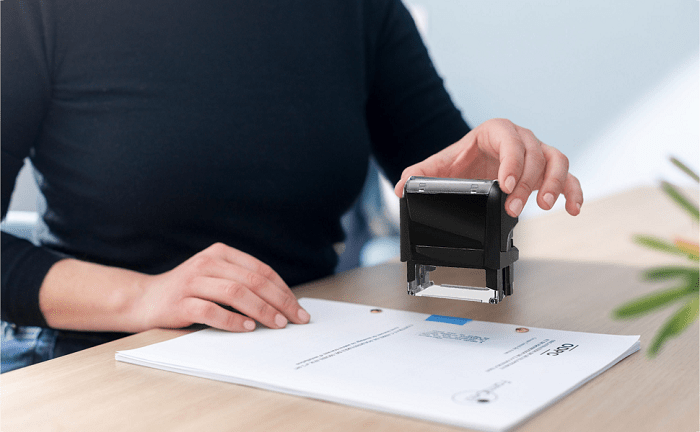
Customer reviews play a major role in online shopping. When buying something as specific as a signature stamp, reviews give insight into how the product performs in real situations. Since you are trusting the stamp to represent your identity on documents, it is important to understand what other users experienced before making a purchase.
Signature stamps are available in many sizes, ink types, and build qualities. Photos and product descriptions can only show so much. Reviews help bridge the gap between what the seller claims and what the buyer actually receives. By learning how to read and compare reviews correctly, you can avoid low-quality products and choose a stamp that performs well over time.
Let us look at how to evaluate customer reviews properly when shopping for signature stamps.
Why Customer Reviews Matter
A signature stamp must deliver consistent ink, clear imprint, and smooth operation. These details are not always clear from the product page alone. Reviews often reveal whether the stamp works well after repeated use or whether the ink fades quickly.
When many buyers mention the same issue or praise, it usually reflects real product behavior. For example, if several reviews state that the stamp dries out after a few weeks, that is something to take seriously. In the same way, repeated praise for clean and sharp impressions signals dependable quality.
Customer feedback also shows how the seller handles complaints or replacements. A brand that responds quickly to problems is more dependable for long-term use.
Look Beyond Star Ratings
Star ratings are useful, but they should not be your only reference. A stamp with four stars might still have major flaws that affect your daily use. Reading the written reviews gives better understanding.
Start by checking the middle-range ratings. Five-star reviews may be overly positive, while one-star reviews may be written by people who received damaged products. Three- and four-star reviews often give balanced feedback. These buyers usually point out both advantages and small problems.
Pay attention to how often the same issue appears. If many users mention ink leakage, unclear prints, or poor handle grip, that pattern should guide your decision.
Focus on Print Quality and Ink Performance
One of the most important features of a signature stamp is print clarity. Reviews often include comments about how clean and readable the signature looks on paper. Look for words such as “sharp,” “clear,” or “even ink flow.”
Ink quality also matters. Some stamps dry out quickly, while others last for thousands of impressions. Reviews may mention how long the ink lasted and whether refills were easy to find.
If you see that many buyers had to replace the stamp early due to dried ink, it may not be suitable for regular use.
Check Build and Handle Comfort
A stamp that feels weak or poorly built may not survive long-term use. Reviews can reveal whether the plastic cracks, the spring becomes loose, or the stamp stops working after repeated presses.
Comfort also matters, especially if you use the stamp daily. Look for feedback on how the stamp feels in hand. A smooth pressing action reduces strain and gives better control over placement.
These small details may not appear in product photos but become clear through user experiences.
Verify Shipping and Packaging Comments
Shipping issues can affect the stamp’s performance. Ink leaks or broken parts can happen if the packaging is weak. Reviews that mention damaged deliveries may suggest that the seller does not package items properly.
If most buyers received the product in good condition, it shows that the seller takes care during shipping. This adds another layer of reliability.
Compare Similar Products
If you are browsing platforms like Signature Stamp Amazon, you may find several similar products with close pricing. Reading reviews side by side helps you see which stamp has fewer complaints and better feedback over time.
Look for patterns across different listings. One stamp may have better ink life, while another may offer clearer impressions. Reviews help highlight these differences without needing to test each product yourself.
Look for Verified Purchases
Many platforms mark reviews from verified buyers. These reviews usually come from people who actually bought and used the stamp. Give more weight to these comments since they reflect real usage.
Unverified reviews can still be helpful, but they should not be your main reference.
Watch for Photo and Video Reviews
Some buyers upload images or short clips showing the stamp in use. These visuals reveal how the stamp performs on paper and whether the ink spreads or looks faded.
Seeing the actual imprint gives more confidence than a written description. If several photos show clean and readable signatures, that is a good sign.
Notice Long-Term Use Comments
Some reviewers update their feedback after weeks or months of use. These comments are valuable because they show how the stamp holds up over time.
If many long-term users report steady ink flow and smooth operation, the stamp is likely dependable. If they report drying or fading, it may not suit regular work.
Avoid Overreacting to Isolated Problems
Every product can have a few negative reviews. A single complaint about a defective stamp does not always mean the entire product line is poor.
What matters is the overall pattern. If most users are satisfied and only a few had issues, the risk is lower. But if negative points repeat across many reviews, it shows a real weakness.
Conclusion
Customer reviews are one of the strongest tools for choosing a reliable signature stamp. By looking beyond star ratings and reading detailed feedback, you can understand print quality, ink life, build strength, and ease of use.
Pay attention to repeated patterns, verified buyer comments, and visual proof. This approach helps you avoid stamps that fail early and choose one that performs well for daily work. Whether you are browsing on Signature Stamp Amazon or another online store, smart review reading makes the buying process far more effective.
-
How Does a Signature Verified Stamp Support Fraud Prevention and Identity Confirmation
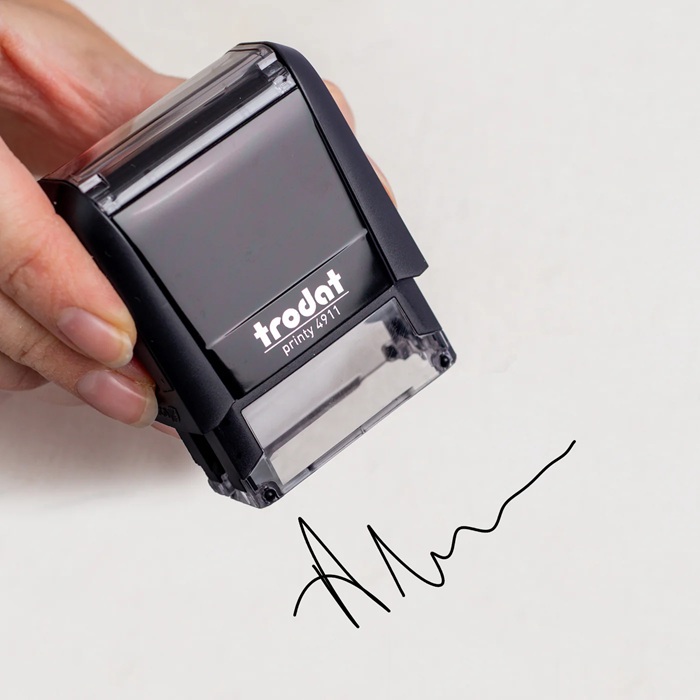
Signatures play a major role in validating records across many sectors. From banking to legal paperwork, a signature represents approval and consent. But with the rise of forged documents and unauthorized access, companies and institutions look for reliable ways to confirm identity. This is where a Signature Verified Stamp becomes useful in preventing fraud and improving document security.
Many official papers depend on physical authorization, and handwritten signatures remain one of the most familiar methods. However, visual inspection alone may not be sufficient in settings where multiple people handle sensitive records. A stamp that confirms verification adds another level of confirmation and helps reduce errors related to manual checking.
We shall look into how this stamp works, the advantages it provides, and why many organizations rely on it for day-to-day operations.
Benefits of Using a Signature Verification Process
• Improves Identity Confirmation
• Reduces Forgery and Tampering Attempts
• Supports Legal and Regulatory Requirements
• Strengthens Record Accuracy
• Helps Maintain AccountabilityImproves Identity Confirmation
A verified stamp provides an immediate indication that a signature has already been reviewed and approved. In workplaces where several documents are processed each day, this saves time and prevents confusion. For example, banks often need to match signatures on cheques and account forms. With a verification step, staff members can quickly identify whether the signature has been checked before the document moves forward.
Without a verification mark, files might need repeated inspection, which slows down routine processes and increases the chance of oversight. A stamp provides clarity and avoids repeated handling of the same document.
Reduces Forgery and Tampering Attempts
Forgery is still a common problem, especially in financial and legal environments. Handwritten signatures can be copied, and unauthorized individuals may attempt to pass altered forms. A verification stamp makes this harder because it indicates that the signature has already been compared with an original reference.
If someone tries to adjust the document after verification, the absence of an updated stamp will stand out. This raises an alert before the document is processed. The stamp acts as a checkpoint that blocks suspicious entries from progressing further. This practice helps organizations maintain safer operations and prevent losses caused by fraudulent activities.
Supports Legal and Regulatory Requirements
Many industries require proper handling of official records to comply with rules and standards. A verification stamp helps demonstrate that a company followed correct procedures when approving signatures. This becomes important during audits, inspections, or legal reviews.
For instance, medical facilities often deal with consent forms that must be authorized by patients or guardians. If disputes arise, verified documentation can help clarify whether proper steps were followed. The presence of a clear verification mark adds support during such reviews.
Strengthens Record Accuracy
Mistakes in signature comparison can lead to unauthorized approvals or rejected submissions. Human error is possible, especially when multiple staff members review documents at different times. A verified stamp helps maintain consistency by marking the exact stage at which authorization was completed.
With this method, departments do not need to repeat verification or question whether the process was finished. This prevents miscommunication and reduces delays.
Helps Maintain Accountability
A verification stamp often includes the date and sometimes the initials of the approving officer. This creates a traceable record of responsibility. If issues appear later, organizations can identify who checked the signature and when it was done.
This level of tracking encourages proper handling of documents. Staff members become more careful, and the organization gains better control over sensitive information.
Protects Multi-Step Approval Processes
Certain documents require approval from several departments. Without a clear verification mark, paperwork may move forward prematurely or remain stuck waiting for confirmation. A stamp signals completion of the signature review phase, allowing the document to pass smoothly to the next step.
This prevents bottlenecks and supports a more efficient workflow. It also ensures that no stage is skipped due to misplacement or confusion.
Prevents Unauthorized Access
In some cases, signatures grant access to restricted information or financial actions. A verified stamp helps block unauthorized attempts by confirming that the signature belongs to the correct individual. If a mismatch occurs, the document is stopped before processing, protecting the organization from potential damage.
Conclusion
A Signature Verified Stamp plays an important role in preventing fraud and confirming identity across various industries. It helps mark completed verification, supports legal compliance, and reduces the chance of forgery. Organizations that deal with sensitive paperwork benefit from added clarity and accountability since the stamp shows that the signature was reviewed at the appropriate stage.
Although digital authorization is becoming more common, many sectors still depend on physical records. In such situations, this method provides an effective way to maintain accuracy and protect against unauthorized access. By adopting a verification process, companies can manage documents more confidently and reduce the risks associated with manual inspection.
-
Can Acupuncture Balance Hormones to Prevent Menstrual Migraines

Menstrual migraines often show up right before or during your period. They can be intense and may not respond well to regular pain medicines. Many people look for natural options to manage them, and acupuncture is one of the most discussed methods. Here, we will look into how acupuncture may influence hormonal balance and help with Migraine Relief during your cycle.
How Hormones Trigger Menstrual Migraines
Your body goes through several hormonal changes before menstruation. The drop in estrogen right before a period is one of the main triggers for menstrual migraines. This change can affect blood vessels, pain receptors, and the way your brain handles stress signals. As a result, you may experience pulsing pain, sensitivity to light, or nausea.
Before thinking that the issue lies with your general health, it is important to understand that these migraines usually occur because of shifts in your internal system. So, checking how your hormones behave and finding supportive methods like acupuncture may help you manage the problem.
How Acupuncture May Support Hormonal Balance
Acupuncture works by stimulating specific points on your body. These points influence nerves, muscles, and blood flow. When these points are activated, your body may respond by releasing chemicals that support relaxation and reduce pain signals.
Some believe that acupuncture may support hormone regulation by improving how your endocrine system functions. It may help stabilize sudden changes in hormones that often lead to migraine attacks. Although results differ from person to person, many find that regular sessions reduce the frequency and intensity of headaches during their cycle.
Can Acupuncture Prevent Menstrual Migraines?
Acupuncture may help manage migraines by improving blood circulation, calming the nervous system, and supporting hormone balance. These actions may lower the chances of migraines appearing right before your period.
Here are some situations where acupuncture may work well:
If You Have Regular Monthly Triggers
If your migraines appear around the same time each month, you may try scheduling acupuncture sessions ahead of your period. This may prepare your body and reduce the chance of a sudden flare in symptoms.
If Pain Medicines Are Not Helping Much
Some people find that regular over the counter medicines do not ease menstrual migraines. In such cases, acupuncture may offer another option to help control the pain.
If Stress or Sleep Problems Make Your Symptoms Worse
Stress and poor sleep make menstrual migraines more intense. Acupuncture is known for improving relaxation and sleep quality. If these issues contribute to your monthly migraines, you may see better results with consistent sessions.
How Many Sessions You May Need
The number of sessions you need can vary. Some may notice changes after a few appointments. Others may need several weeks of treatment before the pain reduces. You can talk to a licensed practitioner about a suitable schedule based on your symptoms.
Try to observe how your migraines behave over two or three cycles. This will help you understand whether acupuncture is helping you achieve better Migraine Relief during your period.
When You Should Seek Medical Help
Even though acupuncture may support your monthly migraine management, severe symptoms or sudden changes should be discussed with a doctor. If your headaches become unusually strong or you experience new symptoms like vision loss or fainting, you should check with a medical professional.
Conclusion
Acupuncture may help support hormonal balance and reduce menstrual migraines by improving blood flow, reducing stress, and calming the nervous system. Many people find it helpful as part of their monthly migraine plan. If menstrual migraines interrupt your daily life, you can try acupuncture along with other healthy habits to manage the condition better.
-
Are Solana Rugcheck Alerts the Key to Avoiding Scam Tokens and Rug Pulls

The cryptocurrency market is fast-paced and highly unpredictable. With new Solana tokens launching every day, traders often face the challenge of identifying which tokens are genuine and which are potential scams. Rug pulls and fraudulent token launches have become increasingly common, leaving many investors with losses. In this environment, Solana rugcheck alerts are becoming a vital tool to protect traders and help them make informed decisions.
What Are Solana Rugcheck Alerts?
Solana rugcheck alerts are automated systems that analyze newly launched tokens on the Solana blockchain to identify possible scam indicators. These alerts assess several factors such as liquidity lock, developer wallet concentration, and trading volume patterns. Based on these metrics, they generate a “rug score” that signals the potential risk level of a token.
For traders engaged in Solana token sniping, these alerts act as a first line of defense. They help users quickly evaluate whether a new launch is safe enough to participate in before committing funds. Since token sniping involves buying tokens immediately at launch, the risk of falling into a rug pull is high without proper risk assessment tools.
Why Rugcheck Alerts Matter for Solana Token Snipers?
Rug pulls typically occur when developers create a token, attract investors, and then withdraw liquidity, leaving holders with worthless coins. This is especially common in new token snipes, where the excitement of early entry often outweighs caution. By using Solana rugcheck alerts, traders can automatically screen tokens before purchase. This reduces the chance of engaging with suspicious or unverified contracts.
In addition, rugcheck alerts contribute to better trading discipline. Instead of relying on speculation or social media hype, traders get verifiable risk data that guides their actions. When integrated with an auto-buy crypto bot, these alerts can automatically block trades with high rug scores, helping users focus on safer opportunities.
The Role of SnipersVerse in Safe Solana Trading
SnipersVerse is a Solana cryptocurrency trading bot service focused on sniping newly launched tokens. The platform automates the buying process by allowing users to purchase tokens the moment they hit the market. It combines advanced features such as risk detection, trading alerts, and wallet tracking to offer an efficient sniping experience.
Join the Solana sniping bot Telegram community to snipe new Solana launches with auto-buy, MEV protection, and rugcheck filters.
How Rugcheck Alerts Improve Automated Trading
When integrated with a crypto sniper bot, rugcheck alerts create a safer and smarter trading environment. The alerts feed real-time data into the bot’s logic, allowing it to either proceed or halt a transaction based on the detected risk level. This adds a layer of automation that combines speed with safety—essential qualities for token sniping.
A well-configured MEV protection bot can also prevent frontrunning and sandwich attacks that often occur during high-volume token launches. By pairing MEV protection with rugcheck alerts, traders can protect both their funds and their execution priority. This makes the trading experience more reliable and reduces exposure to manipulation.
Can Rugcheck Alerts Eliminate Rug Pulls Entirely?
While no tool can completely eliminate risk, rugcheck alerts significantly reduce the likelihood of falling into fraudulent projects. They work best when used alongside other safety practices such as verifying token contracts, reviewing developer activity, and avoiding unverified tokens. Rugcheck systems are continually improving their detection algorithms, and their accuracy increases as more data from previous scams is analyzed.
Final Thoughts
In the fast-moving Solana ecosystem, rugcheck alerts have become an essential safeguard for traders participating in new token snipes. They provide transparency, quick analysis, and practical defense against scams. When combined with an automated trading solution like SnipersVerse, traders gain both the speed to act instantly and the intelligence to avoid unnecessary risks.
If you are looking to optimize your token sniping strategy, using a bot with integrated rugcheck and MEV protection features is the way forward. It helps you trade faster, smarter, and safer—without the constant fear of rug pulls.
-
How to Choose Your Wedding Vendors Without Regret

Selecting the right vendors for your wedding is an important part of wedding planning. Every service, from the caterer to the photographer, contributes to the overall experience of your special day. Choosing vendors wisely can help prevent last-minute stress and disappointment, making your celebration smooth and enjoyable.
Start With Research
Before hiring any vendor, take time to gather information. Look for reviews from previous clients and ask for recommendations from friends or family. Pay attention to feedback about reliability, quality of service, and communication. This step will help you create a shortlist of vendors who have a good track record.Set Clear Priorities
Determine what matters most to you. Is it the quality of the food, the style of photography, or the reliability of the florist? Having clear priorities will make it easier to compare different vendors and make decisions that align with your expectations. Without clear priorities, you may end up focusing on minor details while overlooking more important aspects.Ask the Right Questions
During meetings or calls with vendors, ask specific questions about their services. For example, inquire about their experience with similar events, how they handle unexpected challenges, and whether there are any extra charges not included in the quote. Taking notes during these conversations can help you review options later and make a more informed decision.Meet in Person When Possible
Seeing vendors in person provides better insight than emails or calls alone. Meeting a photographer, caterer, or decorator allows you to understand their approach and professionalism. It also gives you a sense of whether you feel comfortable working with them, which can make a big difference on the wedding day.Review Contracts Carefully
Before signing any agreement, read the contract thoroughly. Check for details such as payment schedules, cancellation policies, and included services. A clear understanding of the contract protects you from unexpected costs or misunderstandings. Vendors who provide transparent contracts are usually more trustworthy and reliable.Trust Your Instincts
While reviews, research, and contracts are important, don’t ignore your instincts. If something feels off during discussions, it may be worth reconsidering. On the other hand, feeling confident about a vendor can give peace of mind and reduce stress as the event approaches.Stay Organized
Use spreadsheets, notes, or planning apps to track vendors, quotes, and deadlines. Keeping information organized ensures you won’t overlook key details and makes comparisons easier. Organization also helps prevent scheduling conflicts or missed payments.Conclusion
Choosing wedding vendors carefully can make a significant difference in your wedding experience. By researching, setting priorities, asking questions, meeting in person, reviewing contracts, trusting instincts, and staying organized, you can avoid regrets and enjoy the day without unnecessary stress. Thoughtful decisions at this stage support smoother wedding planning and help create a celebration that reflects your vision. -
How to Declutter Your Home Closet Like a Pro Organizer

A cluttered closet can make your home feel disorganized and stressful. Many of us struggle to find the items we need because our closets are packed with clothes, shoes, and accessories that we rarely use. Decluttering your closet is a practical way to create space, simplify your daily routine, and make your belongings easier to manage. By approaching it systematically, you can achieve results similar to what professional organizers do.
Start with a Clear Plan
Before you begin, take a few minutes to assess your closet. Identify the sections that need the most attention—whether it’s clothing, shoes, or miscellaneous items like bags and accessories. Set aside a specific block of time for this task, so you can work without feeling rushed. Breaking the project into smaller sections makes it more manageable and helps you focus on one area at a time.Sort Items into Categories
Once you start removing items from the closet, sort them into clear categories: keep, donate, or discard. Clothes that you haven’t worn in the past year or that no longer fit can be strong candidates for donation. Items that are worn out or damaged beyond repair should be discarded. This approach helps reduce clutter quickly and gives you a better perspective on the items you truly use.Organize by Use and Season
After deciding what to keep, arrange items based on how often you use them and the current season. Store off-season clothing in bins or higher shelves to free up space for items you wear regularly. Grouping similar items together, like shirts, pants, and jackets, can make it easier to find what you need. Simple organizers, hangers, and shelf dividers can make a big difference in keeping your closet tidy.Maintain the Closet Daily
Decluttering is only effective if you maintain your closet over time. Make it a habit to put items back in their designated spot immediately after use. Review your closet every few months to remove items that are no longer needed. By creating a routine, you prevent clutter from building up again and keep your space organized.Consider Practical Tips for Efficiency
There are several practical ways to declutter my home effectively. One method is the “one in, one out” rule: for every new item you bring in, remove an old item. Another tip is to store small accessories in clear boxes or drawer dividers to reduce visual clutter. Using labels or color-coded systems can also help you find items quickly and keep your closet orderly.Conclusion
Decluttering your home closet does not have to be overwhelming. By following a clear plan, sorting items thoughtfully, organizing by use, and maintaining the space regularly, you can create a closet that is functional and easy to manage. Simple strategies, consistent habits, and smart organization tools can help you achieve results similar to a professional organizer, giving you a clean and accessible space for all your belongings. -
Why Water Leaks from AC Only at Night Explained

Air conditioners are essential for maintaining comfort, especially during hot days. However, many homeowners notice a recurring issue: water leaking from the AC, often only at night. This problem can be frustrating and sometimes puzzling. To understand why this happens, it is important to look at how AC units function and what factors contribute to water accumulation.
Air conditioners work by cooling warm air and removing moisture from it. This moisture condenses on the evaporator coil and drips into a drain pan, which then channels the water outside or into a designated drainage system. Normally, this process is smooth and unnoticed. But if water appears to leak specifically at night, several factors may be at play.
One common reason is temperature differences between day and night. During the day, the surrounding air is warmer and humidity levels may be higher. The AC runs more frequently and efficiently, keeping the condensation process balanced. At night, temperatures drop, and humidity levels can change. This shift can cause the evaporator coil to freeze slightly, and when it melts, water may overflow the drain pan or escape from the unit.
Another factor is reduced airflow at night. Many households use lower fan settings or sleep mode, which slows down the circulation of air through the system. Slower airflow can cause condensation to build up faster than it can drain, leading to leaks. Blocked air filters or vents can also contribute to this issue.
Clogged drain lines are another frequent cause. Debris, dust, or algae can block the water from exiting properly. During the day, the AC may run longer cycles that eventually push water through, but shorter nighttime cycles might not provide enough time for drainage, causing visible leaks.
Regular maintenance can reduce these problems. Cleaning the air filters, clearing the drain line, and checking the drain pan for damage can prevent water accumulation. Additionally, keeping the AC on a moderate fan setting during the night can help maintain proper airflow and prevent freezing of the evaporator coil.
For those wondering how to stop water leak from AC, the solution often involves a combination of cleaning and checking airflow. Ensuring the drain line is clear, the pan is in good condition, and the fan settings are adequate can significantly reduce nighttime leaks. Minor adjustments can prevent water from spilling inside the room and prolong the life of the AC unit.
In summary, water leaking from an AC only at night usually results from temperature changes, reduced airflow, or drainage issues. Understanding these factors and performing routine maintenance can keep your AC running efficiently and prevent leaks. Paying attention to simple checks, like the condition of filters, drain lines, and fan speed, is often enough to resolve the issue without calling for major repairs.
-
What’s the Difference Between Commercial and Residential Lock Installation
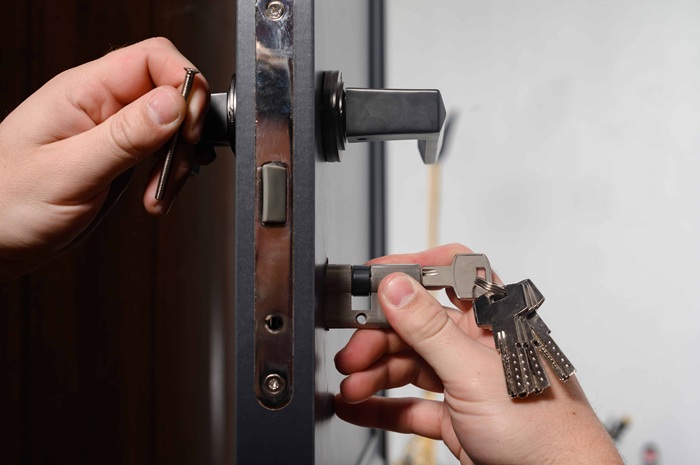
Locks are one of the primary security measures for any property. Whether it is your home or your business, the installation of the right type of lock is important for safety. However, the requirements for a residential lock are not always the same as those for a commercial lock. Each one serves a different purpose and has a different setup process.
In this article, we are going to look at the difference between commercial and residential lock installation. By understanding these differences, you can choose the right option for your property. If you ever need professional help, a Locksmith Service Durham can guide you with installation, repair, and replacement.
Key Differences Between Commercial and Residential Lock Installation
Now let us look at the main differences side by side:
- Security Level
Commercial locks are stronger and built to withstand more force. Residential locks focus on reliable protection but are simpler in construction. - Usage Frequency
Commercial properties experience more traffic, so their locks must be durable and capable of withstanding repeated use. Residential locks do not face the same level of wear. - Locking Mechanisms
Residential locks usually rely on deadbolts and smart locks, while commercial locks use mortise locks, panic bars, and electronic access systems. - Installation Complexity
Residential lock installation is simpler and faster. Commercial lock installation requires more time and expertise, especially if it involves electrical systems. - Regulations and Codes
Businesses must follow fire and safety codes when installing locks. Residential installations are less strict in terms of regulations. - Cost
Commercial locks are generally more expensive due to stronger materials and advanced features. Residential locks are usually more budget-friendly.
Residential Lock Installation
Residential locks are meant for homes, apartments, or other personal living spaces. The focus is on protecting the people inside the home while also keeping belongings safe.
Most homeowners prefer locks that provide reliable protection but are also easy to use. The installation process is relatively straightforward, and the options are usually based on convenience as well as affordability.
Common Types of Residential Locks
Some of the most common locks installed in homes include:
- Deadbolt Locks
A standard choice for exterior doors. Deadbolts offer strong resistance against forced entry. - Knob Locks
These are often found on interior doors such as bedrooms and bathrooms. They are not very secure for exterior doors. - Lever Handle Locks
Easier to open than knob locks, often used for interior doors in homes with elderly residents or children. - Smart Locks
Increasingly popular, smart locks allow access using a phone, keypad, or fingerprint. Many homeowners prefer them for convenience.
Installation Process for Residential Locks
The installation process for residential locks generally involves:
- Removing the existing lock from the door.
- Preparing the door by checking the hole size and alignment.
- Installing the new lockset and securing it with screws.
- Testing the lock to confirm smooth operation.
This process usually does not take a long time. Many homeowners can replace a lock with basic tools, but hiring a Locksmith Service Durham provides a professional finish and guarantees proper function.
Commercial Lock Installation
Commercial locks are installed in offices, retail spaces, warehouses, and other business properties. The main objective here is to protect valuable equipment, sensitive data, and employees. Compared to residential locks, commercial locks are stronger and built for heavy usage.
Businesses usually require a more advanced locking system because commercial properties often have multiple entry points and higher security demands.
Common Types of Commercial Locks
Some of the locks widely used in commercial spaces are:
- Mortise Locks
Known for their durability, mortise locks are installed inside the door and are often found in offices or buildings that experience heavy traffic. - Panic Bars (Crash Bars)
These locks allow people to exit quickly during emergencies. They are commonly used in schools, hospitals, and public buildings. - Keypad or Card Access Locks
Used for businesses where controlling access is critical. Employees can enter with a code or card, reducing the need for traditional keys. - Commercial Deadbolts
Similar to residential deadbolts but built with stronger materials for more resistance. - Electric Strikes and Magnetic Locks
Often part of an access control system, these locks are controlled electronically and can integrate with surveillance systems.
Installation Process for Commercial Locks
The installation of commercial locks is usually more detailed compared to residential locks. It involves:
- Assessing the property and identifying security needs.
- Choosing locks that meet building codes and regulations.
- Preparing the door with the necessary cuts or reinforcements.
- Installing the lock mechanism, which may involve electrical connections if access control systems are included.
- Testing the lock for durability and compliance with fire and safety standards.
Because of the complexity, commercial lock installation is almost always handled by professionals. A Locksmith Service Durham can set up commercial systems correctly and provide long-term maintenance.
Why Choose a Professional Locksmith Service?
While some homeowners may attempt to replace a lock themselves, professional services provide peace of mind. With a Locksmith Service Durham, both homeowners and business owners receive:
- Correct installation without damaging the door
- Advice on the right lock type for the property
- Solutions that meet local safety standards
- Support with repairs and replacements when needed
Professional locksmiths also stay updated with the latest security technologies, which helps businesses and homeowners stay protected against modern threats.
Conclusion
The difference between commercial and residential lock installation lies mainly in the level of security, type of locking mechanism, and installation process. Residential locks are simpler, focusing on daily protection and convenience. Commercial locks are stronger, built for frequent use, and often linked to access control systems.
Whether you are upgrading home locks or installing advanced systems for a business, knowing these differences will help you make the right decision. If you need expert assistance, a Locksmith Service Durham can guide you with reliable installation and long-lasting solutions.
- Security Level