
-
Beauty Business: Finding Your Perfect Cosmetology Type

Are you passionate about beauty and all things related to cosmetology? Are you interested in turning your love for makeup, hair, and skincare into a full-time career? Well, you’re in luck because the beauty industry is booming, and there are plenty of opportunities available to those who are willing to put in the hard work. In this article, we’ll explore different cosmetology types and help you discover the perfect career path for your interests and skillset.
Discover Your Dream Cosmetology Career
There are many different types of cosmetology careers, so it’s important to find one that aligns with your interests, skills, and values. Some of the most popular cosmetology types include hair stylist, makeup artist, skincare specialist, nail technician, and esthetician. Hair stylists are responsible for cutting, coloring, and styling hair, while makeup artists work with clients to create stunning looks for events or performances. Skincare specialists help clients achieve their skincare goals, while nail technicians specialize in nail care and design. Estheticians provide a range of beauty services, from facials to hair removal.
To discover your dream cosmetology career, start by thinking about what you enjoy doing the most. Do you love experimenting with different hairstyles and hair colors? Consider becoming a hair stylist. Do you have a passion for makeup and enjoy creating different looks for yourself and your friends? A career as a makeup artist might be for you. Are you interested in improving people’s skin health? Look into becoming a skincare specialist or esthetician. By focusing on your interests, you’ll be able to find a cosmetology career that brings you joy and fulfillment.
Unleash Your Inner Beauty Business Queen
Once you’ve discovered your dream cosmetology career, it’s time to unleash your inner beauty business queen. This means learning about the industry, networking with other professionals, and building your brand. To succeed in the beauty industry, you’ll need to have a strong work ethic, excellent customer service skills, and a willingness to constantly learn and improve. Attend industry events, join professional organizations, and take classes to stay up-to-date on the latest trends and techniques.
Building your brand is another important aspect of being a successful beauty business owner. This means creating a unique style and aesthetic that sets you apart from others in the industry. Consider creating a website and social media accounts to showcase your work and connect with potential clients. Don’t be afraid to get creative and experiment with different marketing strategies, such as offering discounts or collaborating with other beauty professionals.
In conclusion, the beauty industry is filled with endless opportunities for those who are passionate about cosmetology. By discovering your dream cosmetology career and unleashing your inner beauty business queen, you’ll be well on your way to achieving success in this exciting and rewarding field. Good luck on your journey, and remember to always have fun and enjoy the process!
Are you looking for the perfect management software ? Look no further! With so many options out there, it can be overwhelming, with Leo Management System for SPA & Salon, you will find all what you need, Try it Today!
-
How Can a Yoga Teacher Training Program Transform Your Practice?

Embarking on a journey of self-discovery and growth through yoga is truly remarkable. But have you ever wondered how a yoga teacher training program can take your practice to new heights? Well, let’s unravel the magic! In this blog post, we’ll explore the incredible ways a yoga teacher training program can transform your practice, helping you deepen your understanding, enhance your skills, and unlock the full potential within you. Get ready to embark on a transformative adventure like no other!
What are the key benefits of enrolling in a yoga teacher training program?
Enrolling in a yoga teacher training program offers a plethora of benefits that extend far beyond mastering advanced poses. It is an enriching experience that nurtures personal growth, deepens your understanding of yoga, and enhances your overall well-being. By immersing yourself in a comprehensive curriculum, you gain in-depth knowledge of yoga philosophy, anatomy, and teaching methodologies. The program provides a supportive environment for self-reflection, allowing you to cultivate mindfulness and develop a strong connection with your inner self. Moreover, it equips you with effective communication and leadership skills, empowering you to guide and inspire others on their yoga journey. Embrace the transformative power of yoga teacher training and unlock your full potential.
How can a yoga teacher training program deepen your understanding of yoga?
Yoga teacher training in India is a gateway to a deeper understanding of the profound wisdom that lies within yoga. Alpha yoga schools have a systematic study and practice, which helps you to delve into the rich history and philosophy of yoga, unraveling its ancient roots and timeless principles. You explore the intricate connections between mind, body, and breath, gaining a profound awareness of how they interplay in your practice. With guidance from experienced teachers, you learn advanced yoga techniques and sequencing strategies, enabling you to create well-rounded classes that cater to diverse needs. By immersing yourself in the teachings of yoga, you develop a profound appreciation for its transformative potential, enriching both your personal practice and your ability to share its benefits with others.
In what ways does a yoga teacher training program empower you as a practitioner?
A yoga teacher training program empowers you on multiple levels, amplifying your growth as a practitioner. As you deepen your understanding of yoga, you cultivate self-confidence and authenticity in your practice. Through intensive training, you develop a strong physical foundation, honing your alignment and exploring advanced asanas. But the transformation extends beyond the physical realm. The program encourages self-inquiry and introspection, nurturing self-awareness and emotional intelligence. It fosters resilience, teaching you to navigate challenges and adapt to change with grace. By embracing your unique voice and teaching style, you become a source of inspiration and support for others, fostering a sense of purpose and fulfillment. Step into your power and let the journey of yoga teacher training unlock your true potential.
Conclusion
A yoga teacher training program is a transformative journey that holds immense potential for personal and professional growth. By enrolling in such a program, you not only deepen your understanding of yoga but also unlock new levels of self-awareness, confidence, and resilience. The benefits extend beyond the physical practice, as you cultivate mindfulness, nurture meaningful connections, and inspire others along their yoga path. So, if you’re ready to embark on a life-changing adventure, take the leap and enroll in a yoga teacher training program.
-
How Do You Maintain An Airsoft Gun?

Keeping an airsoft gun clean is not only critical for maintaining its accuracy and power, it’s also essential for safety reasons. A dirty gun can cause malfunctions, misfires, or trigger accidents.
Cleaning an airsoft gun might seem daunting for those who are new to this hobby, but it’s a simple process that anyone can do with the right tools and knowledge. This blog post will provide a step-by-step guide on how to clean an airsoft gun, covering everything from disassembly to lubrication.
Whether you’re a beginner or an experienced airsoft player, understanding how to clean your airsoft gun is crucial to your success on the field. It’s important to note that maintaining your airsoft gun should not be taken lightly, as it can significantly impact your overall performance. With
Airsoft guns require proper care and maintenance to ensure optimal performance and longevity. Cleaning is an essential part of this maintenance routine. To clean an airsoft gun, disassemble the gun and remove any accumulated dirt, debris, and dust. Use a soft-bristled brush to gently scrub the parts to avoid damaging the gun’s surface. Be sure to focus on hard-to-reach areas, such as the grooves and crevices, where dirt and grime tend to accumulate.
The soft brush will help to dislodge debris without scratching or damaging the surface. This step is crucial in preventing any dirt and debris from clogging the gears, which can result in poor performance and malfunctions. Remember to clean your airsoft gun regularly to maintain its optimal performance and protect your investment.
When cleaning an airsoft gun, it is critical to take proper care of all the parts, including lubrication. Lubricating the moving parts will help prevent wear and tear, reduce friction, and improve the overall performance of your gun. It’s essential to choose the right type of lubricant that is designed for airsoft guns. Avoid using household lubricants such as WD-40 or household oil as they can damage the internal parts and ruin the airsoft gun.
Instead, use a silicone-based lubricant that is specifically formulated for airsoft guns. Using a thin coat of lubricant on the moving parts, such as the gearset, piston, and spring, will help to keep your airsoft gun running smoothly and prolong its lifespan. It’s important to remember that too much lubricant can also cause issues, such as reducing the gun’s power, so be sure to use only a small amount. Apply lubrication to moving parts as needed, depending on how frequently you use your airsoft gun.
Airsoft guns require regular cleaning to function optimally and maintain their longevity. One effective way to get rid of the dirt, dust, and residues left by BBs is to use an air compressor to blow out the barrel and other components. This method is especially useful for high-powered or gas-powered airsoft guns that typically accumulate more debris and carbon deposits.
Before using the air compressor, always make sure that the gun is unloaded and the battery or gas canister is removed. Next, detach all detachable parts such as the barrel, hop-up, and magazine from the main body for better access. Hold the air compressor at a distance of at least two inches away from the gun and avoid blowing directly at the hop-up unit or any delicate parts to prevent dislodging or damaging them. Also, be sure to wear protective gear such as goggles and a dust mask to shield yourself from the debris that the air compressor may blow out.
Using an air compressor to clean your airsoft gun is an efficient and inexpensive way to maintain its performance and longevity. However, always remember to be cautious and follow safety guidelines to avoid any accidents or damage to your gun.
Cleaning an airsoft gun is a crucial step in maintaining its performance and preventing damage. It is essential to follow specific cleaning procedures and use correct cleaning materials to avoid any harm to the gun’s parts. Regular cleaning can lead to a longer lifespan of your airsoft gun and ensure durability, accuracy, and safety. Therefore, it is essential to clean your gun after each game, whether it is a spring, electric, or gas-powered airsoft gun.
-
Skincare Mistakes You Might Be Making

There are certain skin care habits that could undermine your efforts at attaining clear, radiant skin. If you want the perfect complexion, now is the time to be vigilant against such practices and make sure they are not part of your routine.
- Exfoliating Too Frequently
Exfoliation should be part of your skin-care routine on an ongoing basis to remove dead cells, but overdoing it could result in microtears causing lasting damage. Experts advise using an exfoliator two or three times each week (or less frequently if your skin is particularly sensitive).
- Not Enough Moisturizer
Skipping out on moisturiser when your skin is feeling parched can be tempting, but that may not always be in your best interests! A quality moisturiser helps lock in moisture and protect against free radical damage to prevent fine lines and wrinkles from appearing over time.
- Not Utilizing Enough Suncare
UV radiation from the sun can damage skin cells and increase your risk for skin conditions like acne. Therefore, it’s vital that sunscreen be worn every single day of the year no matter the season – yet many people overlook this simple rule of beauty!
- Not Washing Your Face Enough
It can be easy to neglect our face when we’re busy, but twice-daily cleansing of pores to eliminate dirt and oil accumulation is crucial to good skin.
- Not Using the Appropriate Cleanser
One of the biggest mistakes I see at my clinic is people failing to use a cleanser suited for their skin type. An overly harsh cleanser may strip away natural oils in your skin, leading to breakouts and irritation.
- Not Opting For Toxin-Free Products
You do not want to subject your skin to harmful chemicals that could negatively impact its health and wellbeing, which is why it’s crucial that you choose skincare that has been dermatologically-tested and Australia certified as toxin free like ASAP skincare NZ.
- Your Makeup Brushes Aren’t Being Cleaned Daily
Finding time each day to clean your makeup brushes may seem difficult, but doing so is vital for skin health. Dirty brushes can clog your pores and lead to breakouts so it is crucial that they be wiped down both prior to and post use for maximum effect.
- You Aren’t Removing Your Makeup at Night
It can be easy to leave makeup on overnight, which can lead to blemishes and dull, unhealthy complexion. To protect against this misstep and ensure better outcomes for your complexion it is recommended that all makeup be removed prior to sleeping using either micellar water or cleanser with oil-remover properties.
- Your Diet Is Ignored
A diet high in sugar and fatty foods can have detrimental effects on skin. To nourish it from within, focus on choosing more whole-food sources that nourish from within, like eating fruits and vegetables along with plenty of water intake.
-
Protect Against Trips and Falls With WaterHog Mats

Floor mat programs designed specifically to prevent slip-and-fall injuries can significantly lower costs to businesses, according to research from the National Safety Council, who estimate slip-and-fall accidents cost American firms $70 billion every year.
When selecting a floor mat program, it’s essential to take into account both foot traffic in your space and any features you require. At Waterhog mats we have options that cater to every need – with many colors and sizes to ensure you find exactly the right match!
Protect Your Entryways From Dirt, Snow & Slush
A good mat like Ultimate Mats can ensure your entryways remain clean, dry and safe for both customers and employees. Slush, dirt & salt accumulations can quickly make entryways hazardous, leading to trips & falls for both parties involved.
Our WaterHog mats feature an innovative bi-level surface which traps dirt and moisture to prevent it from spreading throughout your facility. Additionally, their robust construction makes them suitable for heavy foot traffic as well as harsh weather conditions – making them the perfect solution for both indoor and outdoor spaces.
Maintain Our Waterhog Mats Efficiently One key advantage of Waterhog mats is their easy maintenance needs. Regular vacuuming and occasional sweeping should keep them looking their best; during heavy weather or periods with high foot traffic, you can even use a hose to wash away excess dirt without fear of damaging the mat itself.
Customize Your Mats with a Logo Want to give your entrance an extra splash of personality? Customized waterhog logo mats will help give it more professional and appealing appearance for your business.
Waterhog mats feature beveled edges to avoid trip hazards and make moving around easier for seniors, those using walking aids, or those transferring carts or dollies onto and off of them. Furthermore, these customized mats can even feature your monogram or logo for maximum impact in any building environment.
Prevent Slips and Falls With Anti-Fatigue Matting
Our anti-fatigue mats are designed to offer both slip resistance and relief from tired feet and legs, thus improving employee efficiency while decreasing fatigue resulting in reduced injuries.
These mats are constructed using recycled materials, making them an eco-friendly solution. In addition, their fire retardant properties ensure they won’t become dangerous should sparks or open flames come in contact with them.
Waterhog mats also include carpet entrance tiles that make an excellent solution for recesses and wall-to-wall applications, like entrances. Our selection includes these popular alternatives to carpet that can be found throughout our collection – perfect for entrances, lobbies, vestibules and elevators alike!
Stay Safe by Using Our Stair Tread Mats
Our stair tread mats are constructed using the same durable material used in Waterhog Classic Entrance mats, making them easy to keep clean while offering maximum protection for hardwood stairs or exterior steps. Available in several colors and sized at 8.5”x 30″, two packs are sold for this purchase.
-
Can Logo Mats Be Used for Commercial Uses
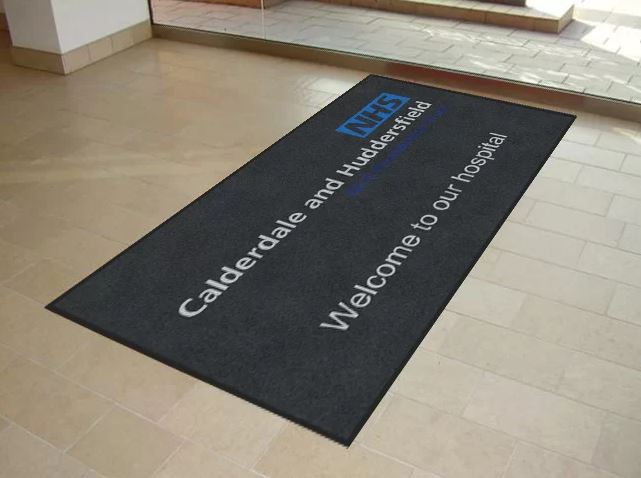
No matter if it’s a restaurant, office, or retail store; floor mats are an indispensable component of maintaining a safe and inviting space for employees and customers alike. Not only can they protect flooring but they can prevent slip-and-fall accidents that could harm employees or customers and provide a warm first impression to visitors alike.
What Are the Different Types of Commercial Floor Mats? If you want to ensure the highest possible standard for your building’s floors and improve overall quality, understanding all types of commercial floor mats available is vital for success. There is something suitable for every need and finding one can ensure they remain clean, comfortable and safe for years.
Anti-Fatigue and Non-Slip Kitchen Mats Commercial kitchen, restaurant, or food service area. These anti-fatigue and non-slip mats provide essential benefits in terms of spill absorption, reduced slips and falls, worker productivity increase and comfort/support to back, feet and legs of workers.
Cleaning and disinfecting them is simple and hassle-free with mild soap and hot water (120 to 140 degrees Fahrenheit), helping keep them in great condition while making the task of cleaning easier for employees.
CM Viper Drain Through Mats
These rubber mats feature perforations with small holes designed to allow any liquid spilled onto them to drain through, keeping their surfaces safe while reducing staining, mold growth and mildew formation. This keeps surfaces dry while avoiding mold growth on them and mold/mildew growth on surfaces.
Rubber mats are an excellent solution for high traffic areas like airports, warehouses, schools, and hospitals, as they’re extremely durable and can withstand heavy foot traffic.
Logo Floor Mats/ Vinyl Mats are an excellent way to promote your business and create an impressive first impression with visitors and clients. Custom mats can feature your company logo or any other desired designs to make a memorable first impression for all who visit your office or storefront.
They can be quickly installed and removed for easy cleaning, yet are extremely durable. You can vacuum, shake, or rinse with water from a hose before drying off for long-term durability.
Transportation & Wash Carts for Floor Mats
It is vital that the floor mats in your business remain pristine. Scuffed or discolored mats can damage their appearance as well as add significantly to cleaning costs, thus undermining their purpose and increasing costs associated with floor cleaning services.
To prevent this from happening, invest in a transportation and wash cart to collect dirty mats from customers while making cleaning them easy for staff. Simply transport them straight to the washer for professional laundering services to save both time and effort on this front.
Garage Matting To keep floors safe in your garage or workshop, installing appropriate mats is necessary to protect them. Ultimate Mats mats can easily be set up, with various styles and colors designed specifically to suit the environment of your garage or workshop.
Filthy garage floors needn’t get in your way anymore – these mats come in various thicknesses to find your ideal garage fit.
-
What is Cheaper Than a Rug?

Are you fed up with the same old rugs in your home? Rugs offer texture and color while being easy to maintain and creating an overall unified aesthetic. Plus, they’re easy to clean so why not give your space a fresh new look today?
Unfortunately, rugs can be expensive and difficult to maintain. That is why it is essential to be aware of other ways to decorate your home with cheaper rugs.
1. Area rugs made with synthetic fibers such as polypropylene and nylon tend to be cheaper than those crafted from natural materials like wool.
Synthetic fibers are often used in area rugs due to their affordability and mass production capacity. Furthermore, these stains-resistant fibers make them a great choice for homes with children or pets.
2. Custom rugs with logo made with natural fibers like cotton, silk and wool tend to be more expensive than their man-made counterparts.
Natural fiber rugs are made from plant-based materials and often feature handwoven or tufted patterns. As a result, these rugs tend to be more durable, lasting for years.
3. Jute area rugs offer an eco-friendly alternative to traditional carpets. They come in various colors, styles, and sizes and tend to be rich brown or gold in hue.
4. Sisal rugs are an excellent choice for high traffic areas of your home. Not only are they stain-resistant, but they come in various colors to match any existing decor.
5. Seagrass rugs are an excellent natural fiber for high traffic areas. With proper care, these durable rugs will last years.
6. A blanket can also be an effective substitute for rugs.
To find one suitable enough to cover the floor you wish to conceal, choose a thick and tightly woven blanket that won’t slip or fall on anyone who walks on it.
7. Upcycled blankets make an excellent alternative to rugs and can be found at thrift stores or online.
Upcycled blankets are created from recycled materials like old clothes or sheets. Not only do they add visual interest to your home, but they help reduce waste as well.
8. Coir rugs offer an eco-friendly alternative to regular carpets.
Coir is a natural fiber derived from the coconut husk. It’s durable and eco-friendly, easily moldable into shapes. Plus, its softness and variety of colors allow you to choose one to suit any style or preference.
9. Polyester rugs are an affordable alternative to natural fiber rugs. They’re moisture, stain, and abrasion resistant as well as easily cleaned.
10. Knot count is an indication of quality.
Many rugs boast a high knot count. This indicates the rug contains many fibers woven into it, making it softer and more comfortable to walk on. Unfortunately, this can also increase the price tag since producing higher-quality items requires more time and resources.
-
What Is PCB clone?
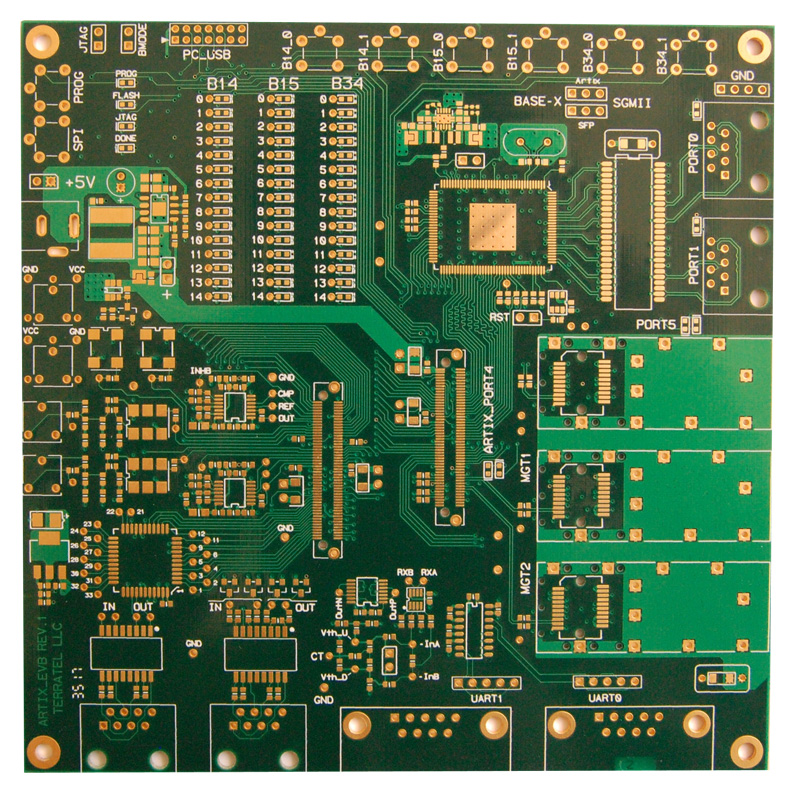
Copying PCB boards is also called cloning PCB or copying. It is the reverse technology research on the designed PCB boards. At present, a new definition: narrowly speaking, copying PCB boards only refers to the process of extracting, restoring and using PCB files for PCB cloning of electronic product circuit boards.
Generally speaking, copying PCB boards includes not only the technical process of extracting circuit board files, cloning PCB, copying circuit boards, etc. It also includes modifications to the circuit board file (i.e. reboard). Three-dimensional data extraction and model copying (i.e. sheet copying) of electronic product shape mould are carried out. The various electronic components on the printed circuit board of electronic products are imitated. All the technical processes of decoding the encrypted chips or MCU on the circuit board, disassembling the system software of electronic products and cloning the complete set of electronic products.
PCB cloning is a reverse research technique. It is through a series of reverse research technology to obtain a PCB design circuit for an excellent electronic product. There are also circuit diagrams and BOM tables. Through this reverse research method.
Others need two or three years to develop a product, and we do reverse research by cloning PCBs. It may take only one month to be equivalent to two or three years of research and development by others.
This has played a very important role in helping our developing countries catch up with the world. Moreover, the development of cloning PCB board technology. It also facilitates technological breakthroughs for those development teams.
The vigorous development of cloning PCB technology has also led to the continuous updating of forward research technology. This competitive relationship exists between forward and reverse research. Therefore, in recent years, the development of electronic technology can change with each passing day.
Electronic products are updated and replaced almost once a year. The next generation of electronic products will only be updated faster and faster. PCB cloning lowers the threshold of electronic technology.
PCB cloning has enabled more and more developing countries to rapidly step up the frontier of high-tech electronic technology and research electronic technology with developed countries. The larger the research team, the more electronic technology in the world will develop.
-
Do Mobile Mechanics in Perth Offer Warranty on Their Work

When your car breaks down you want to get it fixed as soon as possible, and a mobile mechanic is the best way to do this. They can get to your home or office and carry out repairs right there, saving you money on a tow truck.
However, not all Perth mobile mechanics offer warranty on their work, and it’s important to know whether or not they do. Read on to learn more about this and find out what to look for in a mechanic.
Warranty
When it comes to car repair, you want to know that your mechanic is trustworthy. One way to ensure that is to see if they offer warranty on their work.
Warranties should be offered on all repairs, and should cover both parts and labor. A decent warranty will last for 12 months or 12,000 miles, depending on the service.
Mechanics who offer warranties are also more likely to communicate with you in simple, easy-to-understand language. This helps you understand your car’s issues and prevent them from happening again.
A mobile mechanic Perth who offers a warranty is a good sign that they are trustworthy. It shows that they are committed to providing the best service possible, and are willing to stand behind their work.
Mechanic Experience
Mobile mechanics in Perth offer a convenient way to get your car serviced. They are also typically cheaper than garages because they do not have to cover overhead costs.
The best mobile mechanics will have extensive experience working with vehicles of all makes and models. This will allow them to provide the highest quality service, and it will ensure that they can complete a job correctly without damaging your vehicle.
They will also likely have a high level of certification. This is because it is a good sign that they know what they are doing.
A good mechanic will show up on time and they will provide top-notch customer service. It is worth looking for a mobile mechanic that has been in business for some time and who has excellent reviews.
The best mobile mechanics will also have good insurance coverage for their customers and vehicles. This will include public liability, employers’ liability and equipment insurance.
Reliability
Whether you need a mobile mechanic for car repairs or servicing, you can rest assured that they will be reliable and professional. Unlike the traditional auto service centre where you need to drop off and pick up your vehicle, a mobile mechanic will come right to your location.
Reliability is the ability of a product or system to perform its intended function adequately for a specified period of time and in a defined environment without failure. It also represents the probability of success when compared to a set of expected results.
Reliability engineers help users develop specifications for equipment, processes, utilities, facilities, controls, and safety/security systems. They also assist them in coming up with maintenance and risk management plans. Reliability engineering helps minimize failures, enhance effectiveness, and reduce repair times and costs.
Availability
Mobile mechanics offer a variety of services that range from oil changes and tune-ups to diagnostics. Generally, they will also provide a warranty on their work. This is a great way to feel confident that your vehicle is safe and in good hands.
In addition to this, they can often save customers time and money by completing their work on-site. This can be beneficial if you have a busy schedule or are working out of an office or worksite.
For these reasons, many people prefer to use a mobile mechanic rather than a traditional repair shop. They can take care of your service and repair needs in a timely manner, which is great for busy people!
In addition, most mobile mechanics offer warranties that last for a specific amount of time, ranging from 12 months or 12,000 miles. This gives you peace of mind that if something isn’t right with your car, they will return to fix it.
-
Your Gut and Weight Gain – Can Imbalances in Your Microbiome Cause Weight Gain?

Your gut is one of the most important organs in your body, responsible for immune function, weight gain, bowel health and much more. It’s a network of microscopic bacteria that help your body break down food and turn it into nutrients your blood can use. But, if your gut isn’t working at its best, you can end up feeling tired, bloated and more often than not – not to mention experiencing weight gain.
Your Gut and Fatigue
A bidirectional communication channel is allowing scientists to link obesity with an imbalance in the microbiome – a group of organisms that live in your digestive tract. When your gut bacteria have a bad balance, they can release inflammatory molecules that travel to your brain. This can trigger your hypothalamus, the region of your brain that regulates appetite, to feel hungry or full.
It’s believed that this can contribute to overeating or binge eating, because your brain thinks you’re full when really you aren’t. The same research is finding that a diet rich in high-fiber foods, such as vegetables and fruits, may help to boost the number of good bacteria in your gut.
Imbalances in gut bacteria can also lead to a build-up of harmful substances in your bloodstream, called lipopolysaccharides (LPS). These LPS levels are found in blood samples taken from obese people who have an overgrowth of bacteria in the upper part of their small intestine.
This can cause inflammation and leaky gut syndrome, where your stomach lining and the intestines aren’t sealing well. In this condition, food can enter your bloodstream and wreak havoc on your immune system.
Symptoms of Leaky Gut
Signs of a leaky gut include gas, bloating, constipation and diarrhea, according to Cristy Dean, dietician and founder of Fettle and Bloom in Bath, England. She recommends cutting back on sugar and focusing on fiber-rich foods to support your gut.
Taking probiotics and gut healing tonic (foods that promote the growth of healthy bacteria) can also help. These foods are found in yogurt, kimchi, sauerkraut and kombucha and are rich in the bacteria that can improve your gut health.
Poor Sleep and Fatigue
Your gut has a direct impact on your mood and your ability to fall asleep, as well as your sleep quality. It sends signals to your brain that can trigger serotonin production, which can affect your sleep.
Chronic stress can also affect your gut, as it can lead to increased secretions of cortisol, a stress hormone that your body produces when you are anxious or stressed. Having a regular schedule and practicing mindfulness can reduce stress in your life.
You can also help your gut and reduce symptoms by making wise food choices, such as avoiding processed foods and choosing whole-food alternatives. This can also encourage your gut to be healthier and work more efficiently.
If you’re concerned about your gut health, talk to your doctor or a gastroenterologist to learn more about what can be done to restore it. Ultimately, the most important thing you can do is listen to your gut and make changes to your diet that are right for your body.
 File Artie