
Self inking signature stamps are commonly used in offices where repeated signing is required. Professionals like doctors, lawyers, and accountants often deal with high volumes of paperwork on a daily basis. This raises a common question about whether these professionals can use self inking signature stamps for their work and if such usage is acceptable. This article explains how signature stamps are used in these professions, where they are suitable, and where caution is required.
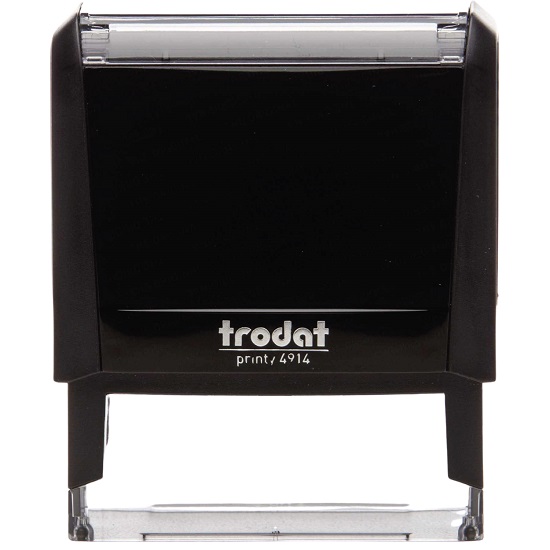
Can Doctors, Lawyers, and Accountants Use Self Inking Signature Stamps?
Can Doctors Use Self Inking Signature Stamps?
Doctors handle prescriptions, medical reports, lab forms, and administrative records daily. In such cases, Signature Stamps for Doctors are often used for internal documentation, routine medical certificates, and hospital forms.
However, handwritten signatures are still required for prescriptions of controlled medicines, legal affidavits, and official medical certificates submitted to courts or government departments. Many hospitals allow signature stamps for internal workflow, but policies vary by institution.
Doctors should also control access to their stamp to avoid misuse. Keeping the stamp secure and using it only where permitted helps maintain professional accountability.
Can Lawyers Use Self Inking Signature Stamps?
Lawyers frequently sign notices, acknowledgments, client copies, and internal office documents. A self inking signature stamp can be used for such routine paperwork where a physical signature is not legally required.
That said, legal documents such as contracts, affidavits, power of attorney papers, and court submissions often demand an original handwritten signature. Courts and registration authorities usually reject stamped signatures for these purposes.
Lawyers typically use signature stamps for internal records and client communication while continuing handwritten signatures for documents that carry legal consequences.
Can Accountants Use Self Inking Signature Stamps?
Accountants manage invoices, audit reports, tax filings, and internal approval documents. Signature stamps are commonly used on office copies, internal approvals, and supporting documents.
For statutory filings, audit reports, and documents submitted to tax authorities, handwritten or digitally authenticated signatures are often required. Regulatory bodies may specify the accepted form of signature, especially for audited financial statements.
In practice, accountants use signature stamps to handle repetitive office work while reserving manual signing for formal submissions.
Are Signature Stamps Legally Valid?
The legal validity of a signature stamp depends on the type of document and applicable laws. In many cases, a stamped signature is treated as valid if the signer authorizes its use. However, for documents involving legal rights, liabilities, or regulatory compliance, original signatures are often mandatory.
Professional bodies and institutions usually publish guidelines that clarify where stamped signatures are acceptable. Checking these rules before using a stamp helps avoid issues later.
Best Practices for Using Signature Stamps
Professionals using self inking signature stamps should follow a few basic practices:
- Use the stamp only for approved document types
- Keep the stamp in a secure place
- Avoid using it on legally binding documents
- Maintain consistency with office policies
These steps help prevent misuse and maintain professional standards.
Conclusion
Doctors, lawyers, and accountants can use self inking signature stamps for routine and internal documentation. These stamps help reduce time spent on repetitive tasks and support smoother office operations. However, handwritten signatures remain necessary for legal, regulatory, and high responsibility documents. Understanding where a stamp is acceptable allows professionals to use it responsibly without affecting compliance or credibility.

 File Artie