
Early childhood learning depends heavily on attention, repetition, and hands-on involvement. Young children grasp ideas faster when they can see, touch, and respond to what they are learning. Interactive toys play a direct role in this process by turning basic lessons into active experiences. Rather than passive observation, children participate in tasks that require thinking and action. This article explains how interactive toys support learning engagement, focusing on skill development, attention span, and practical learning outcomes. It also explains how toys help kids in early education by supporting structured and goal-based learning at an early stage.
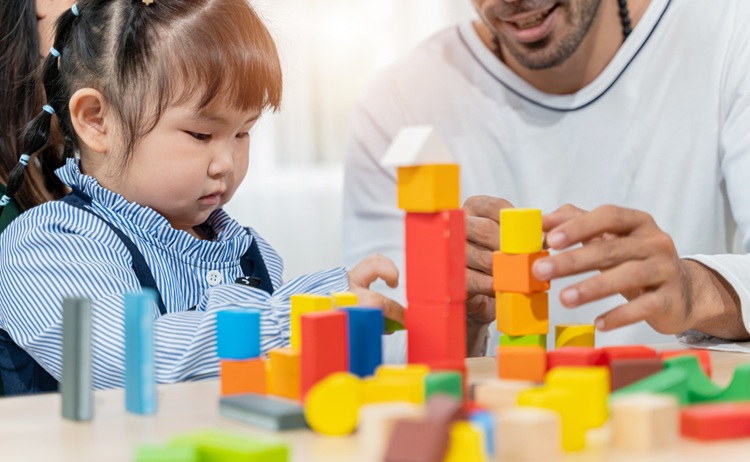
What Are Interactive Toys in Early Learning?
Interactive toys are play items that respond to a child’s actions through sound, movement, light, or feedback. These toys often involve pressing buttons, solving simple problems, matching shapes, or responding to questions. The response from the toy creates a loop of action and reaction, which keeps children involved.
Unlike traditional toys that rely only on imagination, interactive toys guide children through specific tasks. This approach supports learning goals such as counting, letter recognition, color identification, and basic problem-solving. The interaction keeps children focused on the activity for longer periods, which supports learning retention.
Improving Attention and Focus Through Active Play
One of the main learning challenges for young children is maintaining attention. Interactive toys help address this by requiring continuous involvement. When a toy reacts immediately to a child’s input, the child is more likely to stay focused.
For example, a toy that asks a question and waits for a response encourages listening and thinking before acting. This process improves concentration and reduces distraction. Over time, repeated interaction with such toys helps children build the habit of completing tasks without losing focus.
This focused engagement explains how toys help kids in early education by supporting classroom readiness and structured learning behavior.
Supporting Cognitive Skill Development
Interactive toys contribute directly to cognitive growth by encouraging thinking, memory, and reasoning. Many toys are built around simple challenges such as matching, sequencing, or identifying correct answers. These activities help children understand cause-and-effect relationships.
When a child presses the correct button and receives positive feedback, the brain links the action with the result. This reinforces learning through repetition. Toys that gradually increase difficulty also help children adapt and improve problem-solving skills at a steady pace.
Such structured interaction helps children process information in a clear and organized manner.
Encouraging Language and Communication Skills
Language development is another area where interactive toys play an important role. Toys that speak words, ask questions, or encourage responses help children learn pronunciation and sentence structure. Repeated exposure to words through play improves vocabulary.
Some toys prompt children to repeat words or answer simple questions. This practice improves listening skills and verbal response. Children also become familiar with instructions, which supports understanding and following directions.
These communication-based interactions show how toys help kids in early education by building a strong foundation for reading and speaking skills.
Developing Motor Skills Through Interaction
Interactive toys often require physical actions such as pressing buttons, turning knobs, stacking pieces, or moving objects. These actions support both fine and gross motor skill development.
Fine motor skills improve when children use fingers to interact with small parts. Gross motor skills develop when toys encourage movement, such as pushing, pulling, or reaching. These physical activities strengthen coordination and control.
Motor skill development is closely linked to brain development, making physical interaction an important part of early learning.
Promoting Independent Learning Habits
Many interactive toys allow children to explore and learn without constant adult guidance. Clear instructions, visual cues, and feedback help children understand tasks on their own. This supports independent learning habits from an early age.
When children solve problems independently, they gain confidence. They also learn to try again after making mistakes, which builds patience and persistence. These habits are useful as children move into formal learning environments.
Independent interaction explains how toys help kids in early education by supporting self-guided learning and responsibility.
Reinforcing Learning Through Repetition
Repetition is a key factor in early learning. Interactive toys allow children to repeat activities without losing interest because the experience feels like play. Repeating tasks such as counting, matching, or identifying shapes helps strengthen memory.
Each repeated interaction reinforces understanding and improves recall. Over time, children become more comfortable with concepts and can apply them in different situations.
This repeated exposure supports long-term learning and skill retention.
Conclusion
Interactive toys play a practical role in improving learning engagement for young children. By encouraging active participation, these toys support attention, cognitive growth, language development, motor skills, and independent learning habits. Their structured yet engaging format explains how toys help kids in early education by turning simple lessons into interactive experiences. When used consistently, interactive toys help children build strong learning foundations that support future academic and developmental progress.

 File Artie