
Signatures play a major role in validating records across many sectors. From banking to legal paperwork, a signature represents approval and consent. But with the rise of forged documents and unauthorized access, companies and institutions look for reliable ways to confirm identity. This is where a Signature Verified Stamp becomes useful in preventing fraud and improving document security.
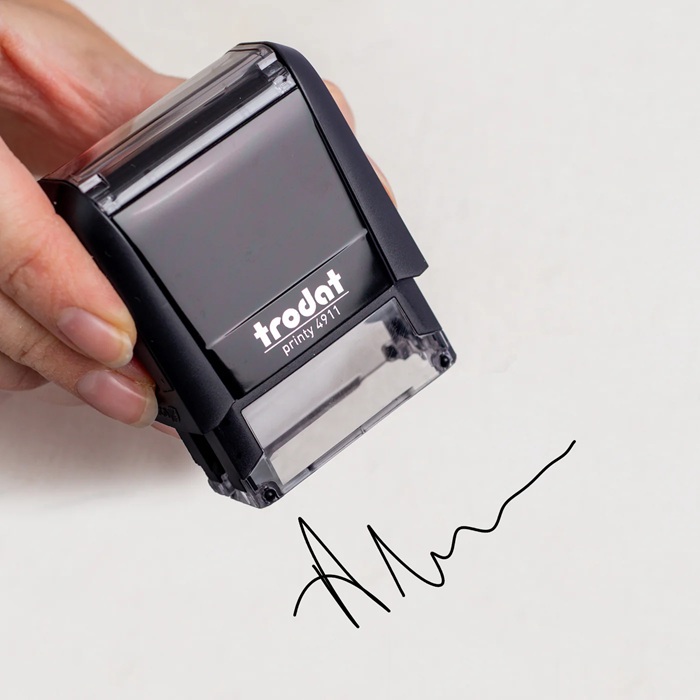
Many official papers depend on physical authorization, and handwritten signatures remain one of the most familiar methods. However, visual inspection alone may not be sufficient in settings where multiple people handle sensitive records. A stamp that confirms verification adds another level of confirmation and helps reduce errors related to manual checking.
We shall look into how this stamp works, the advantages it provides, and why many organizations rely on it for day-to-day operations.
Benefits of Using a Signature Verification Process
• Improves Identity Confirmation
• Reduces Forgery and Tampering Attempts
• Supports Legal and Regulatory Requirements
• Strengthens Record Accuracy
• Helps Maintain Accountability
Improves Identity Confirmation
A verified stamp provides an immediate indication that a signature has already been reviewed and approved. In workplaces where several documents are processed each day, this saves time and prevents confusion. For example, banks often need to match signatures on cheques and account forms. With a verification step, staff members can quickly identify whether the signature has been checked before the document moves forward.
Without a verification mark, files might need repeated inspection, which slows down routine processes and increases the chance of oversight. A stamp provides clarity and avoids repeated handling of the same document.
Reduces Forgery and Tampering Attempts
Forgery is still a common problem, especially in financial and legal environments. Handwritten signatures can be copied, and unauthorized individuals may attempt to pass altered forms. A verification stamp makes this harder because it indicates that the signature has already been compared with an original reference.
If someone tries to adjust the document after verification, the absence of an updated stamp will stand out. This raises an alert before the document is processed. The stamp acts as a checkpoint that blocks suspicious entries from progressing further. This practice helps organizations maintain safer operations and prevent losses caused by fraudulent activities.
Supports Legal and Regulatory Requirements
Many industries require proper handling of official records to comply with rules and standards. A verification stamp helps demonstrate that a company followed correct procedures when approving signatures. This becomes important during audits, inspections, or legal reviews.
For instance, medical facilities often deal with consent forms that must be authorized by patients or guardians. If disputes arise, verified documentation can help clarify whether proper steps were followed. The presence of a clear verification mark adds support during such reviews.
Strengthens Record Accuracy
Mistakes in signature comparison can lead to unauthorized approvals or rejected submissions. Human error is possible, especially when multiple staff members review documents at different times. A verified stamp helps maintain consistency by marking the exact stage at which authorization was completed.
With this method, departments do not need to repeat verification or question whether the process was finished. This prevents miscommunication and reduces delays.
Helps Maintain Accountability
A verification stamp often includes the date and sometimes the initials of the approving officer. This creates a traceable record of responsibility. If issues appear later, organizations can identify who checked the signature and when it was done.
This level of tracking encourages proper handling of documents. Staff members become more careful, and the organization gains better control over sensitive information.
Protects Multi-Step Approval Processes
Certain documents require approval from several departments. Without a clear verification mark, paperwork may move forward prematurely or remain stuck waiting for confirmation. A stamp signals completion of the signature review phase, allowing the document to pass smoothly to the next step.
This prevents bottlenecks and supports a more efficient workflow. It also ensures that no stage is skipped due to misplacement or confusion.
Prevents Unauthorized Access
In some cases, signatures grant access to restricted information or financial actions. A verified stamp helps block unauthorized attempts by confirming that the signature belongs to the correct individual. If a mismatch occurs, the document is stopped before processing, protecting the organization from potential damage.
Conclusion
A Signature Verified Stamp plays an important role in preventing fraud and confirming identity across various industries. It helps mark completed verification, supports legal compliance, and reduces the chance of forgery. Organizations that deal with sensitive paperwork benefit from added clarity and accountability since the stamp shows that the signature was reviewed at the appropriate stage.
Although digital authorization is becoming more common, many sectors still depend on physical records. In such situations, this method provides an effective way to maintain accuracy and protect against unauthorized access. By adopting a verification process, companies can manage documents more confidently and reduce the risks associated with manual inspection.

 File Artie