
Industrial buildings are designed to operate efficiently and provide a safe working environment. However, many facility managers overlook a critical factor that silently increases energy consumption — thermal bridging. This phenomenon occurs when heat bypasses insulation through structural elements, creating hidden energy losses that affect both performance and cost.
In this article, we will explore why thermal bridging is a significant problem in industrial facilities and how addressing it can improve energy efficiency.
Why is Thermal Bridging a Problem in Industrial Buildings?
Increased Energy Costs
When heat escapes through bridges in winter or enters during summer, HVAC systems must work harder to maintain stable indoor temperatures. Over time, this results in higher energy bills and reduced efficiency.
Reduced Thermal Comfort
Even in industrial environments, maintaining a comfortable temperature for workers is essential. Thermal bridges create cold spots or areas of excessive heat, leading to discomfort and uneven distribution of indoor temperatures.
Condensation and Moisture Issues
Thermal bridges can cause surface temperatures to drop below the dew point, leading to condensation. In industrial spaces, this may result in corrosion of machinery, dampness in storage areas, and even structural deterioration if left unresolved.
Long-Term Structural Damage
Continuous condensation and temperature fluctuations weaken construction materials. Over the years, this can cause damage that requires costly repairs or renovations.
Solutions to Reduce Thermal Bridging
High-Performance Insulation
Using advanced insulation systems helps limit heat transfer through structural elements. In areas like Valencia, where industrial buildings require efficient thermal protection, many companies rely on aislamiento fachadas industriales Valencia services to strengthen their building envelopes.
Thermal Break Materials
Incorporating thermal breaks, such as insulated spacers or specialized connectors, prevents conductive materials from directly transferring heat. These are especially effective in steel-based constructions.
Continuous Insulation Layers
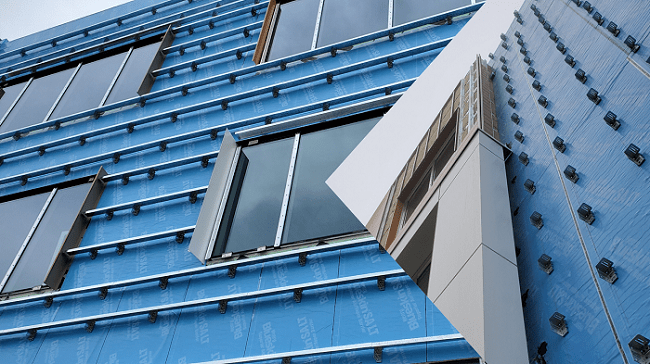
A continuous insulation layer across walls and roofs eliminates gaps where thermal bridging can occur. This approach is vital for maintaining energy efficiency throughout the building.
Proper Design and Detailing
During the construction or renovation phase, paying attention to structural details can significantly reduce thermal bridges. For example, minimizing exposed concrete slabs or designing joints with integrated insulation can improve overall performance.
Benefits of Addressing Thermal Bridging
Reducing thermal bridging has multiple advantages for industrial buildings:
- Lower energy costs through reduced HVAC usage
- Improved thermal comfort for employees and stored goods
- Extended lifespan of building materials by reducing condensation risks
- Better compliance with energy efficiency standards and regulations
Conclusion
Thermal bridging may seem like a small issue, but its impact on industrial buildings is significant. It silently increases energy consumption, reduces comfort, and accelerates structural wear. Addressing it with proper insulation strategies, thermal breaks, and continuous insulation layers can create a more energy-efficient and durable facility.

 File Artie