
Structural reinforcement is an important step in maintaining the safety and durability of a building. Over time, structures may weaken due to age, environmental stress, or unexpected loads. To address these issues, engineers often rely on external or internal structural reinforcements (refuerzos estructurales). Each method offers benefits, but the right choice depends on several practical considerations.
Below, let us discuss the main factors you should evaluate before deciding which reinforcement approach suits your building’s needs.
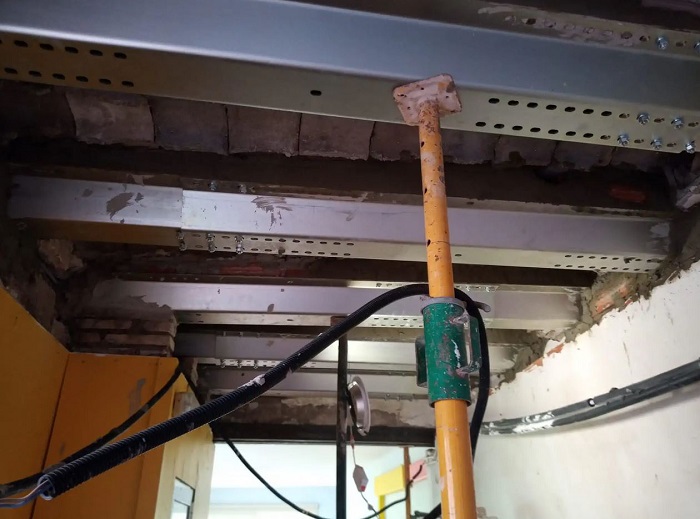
External Reinforcement vs Internal Reinforcement
External reinforcement usually involves adding materials such as steel plates, fiber-reinforced polymers, or concrete jacketing outside the existing structure. This method strengthens the building from the outside and increases its ability to carry additional loads.
One advantage of external reinforcement is that it can be applied without disturbing the interior of the structure. For example, if the building is still in use, external solutions can be implemented with less interruption to daily activities. However, external refuerzos estructurales can change the appearance of the building and may require more space around it for proper installation.
Internal reinforcement focuses on strengthening the structural elements from within. This may include inserting steel bars, adding tension cables, or using high-strength concrete to reinforce columns, beams, or slabs.
The main benefit of internal reinforcement is that it preserves the external appearance of the building. It is useful in cases where maintaining the architectural design is important. On the other hand, internal reinforcement often requires partial demolition or removal of interior finishes, which may increase the project timeline and cost.
Accessibility of the Structure
One of the first factors to consider is accessibility. If the structure is surrounded by other buildings or has limited external space, internal reinforcement may be more practical. Conversely, if interior access is limited or the building is in continuous use, external reinforcement may cause fewer disruptions.
Load-Bearing Requirements
The type and amount of load the building must withstand play a significant role in choosing the reinforcement method. External reinforcement is often effective for distributing heavy loads across larger areas, while internal reinforcement can strengthen specific elements like beams and columns. A clear understanding of the load demands will guide the decision.
Aesthetic Considerations
Preserving the visual appearance of a building can be important, especially in residential or heritage structures. In such cases, internal reinforcement allows the building to retain its original design without visible external changes. If aesthetics are not a priority, external reinforcement may be more straightforward and easier to apply.
Cost and Time Factors
Both internal and external refuerzos estructurales involve costs, but they vary depending on the extent of the project. External reinforcement can sometimes be installed more quickly since it does not require major demolition. Internal reinforcement, while effective, often takes longer because of the additional work required inside the structure. Evaluating the available budget and time constraints will help in selecting the suitable method.
Long-Term Maintenance
Reinforcement is not only about solving present issues but also about planning for the future. External reinforcement may be more exposed to environmental conditions, leading to potential wear over time. Internal reinforcement, being shielded inside the structure, may last longer without frequent maintenance. However, if repairs are required later, internal reinforcement can be harder to access.
Conclusion
Choosing between external and internal reinforcement is a decision that depends on accessibility, structural load requirements, aesthetics, cost, time, maintenance, and safety. Both methods offer reliable ways to strengthen a building, but the context of the project defines which approach is more suitable.

 File Artie