
Natural mud dyes have fascinated civilizations for centuries. They are not only aesthetic but deeply cultural. Many people seek alternatives to harsh chemical-based coloring today. Mud, in its raw essence, brings mineral purity to hair and skin. Specialists still preserve these forgotten crafts of ancient nature. This exploration uncovers what composes these organic hues.
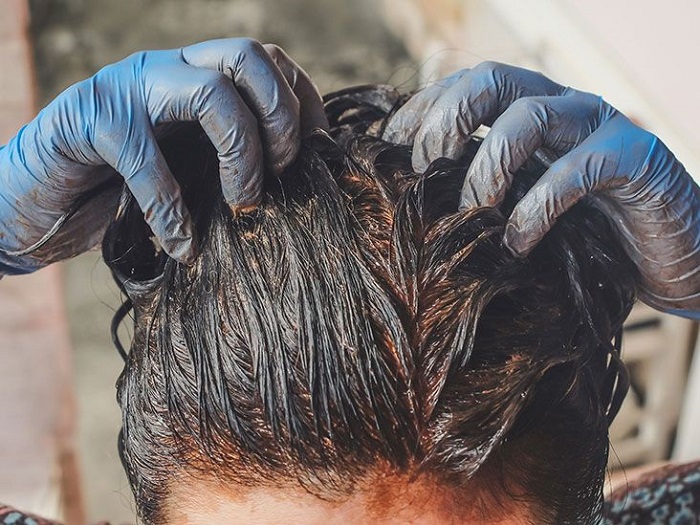
Minerals breathing inside the clay
Mud carries rich minerals that ground its coloring power naturally. Iron oxides create deep earthy tones with subtle radiance. Magnesium strengthens strands while maintaining the vibrant sheen of color. Silica provides texture support and reduces scalp irritation effectively. Together, these elements create long-lasting shades without synthetic pressure. The minerals themselves serve as the true artisans of color.
Botanicals fused with ancient earth
Botanical extracts are often infused into mud bases. Hibiscus petals bring red undertones with nourishing compounds. Chamomile adds golden warmth while soothing sensitive scalps gently. Indigo leaves create natural blue depth without artificial staining. Henna remains the cornerstone, offering rich copper hues safely. These plants unite with clay to build enduring natural palettes.
Waters carrying hidden vitality
Water is never plain within mud dyes. Spring water often brings trace minerals enhancing absorption quality. Herbal waters like rosemary or sage strengthen natural pigment delivery. Distilled waters ensure purity and protect against unwanted contamination. Thermal waters add vitality with rare mineral combinations in balance. Water forms the conductor of life between soil and hair.
Oils woven within earthen blend
Natural oils enrich mud dye mixtures deeply. Olive oil shields hair against drying during application. Argan oil infuses strength with protective fatty acids richly. Coconut oil supports scalp hydration and eases application flow. Jojoba oil regulates natural sebum balance while carrying pigments. These oils soften results, making hair color luminous and alive.
Aromatics shaping sensory ritual
Scent is vital in natural mud coloring traditions. Lavender creates calm during the earthy transformation process. Rosemary enhances circulation while stimulating follicle health naturally. Eucalyptus refreshes the mind while balancing scalp temperature. Citrus oils bring brightness and uplifting sensations into rituals. Aromatics elevate mud coloring into a spiritual and sensory act.
Earth meeting human craftsmanship
Craftsmanship defines how mud dye becomes art. Specialists prepare mixtures with precision and heritage. Each element is layered in harmony with timing. Patience determines the final vibrancy upon natural strands. The ritual embodies both science and ancestral memory combined. This artistry finds dedication in places like peluqueria secretos del agua Madrid.
Sustainability breathing in practice
Mud dyes stand as guardians of ecological balance today. They avoid chemical pollution by using organic resources responsibly. Harvesting methods ensure clay reserves are not depleted excessively. Botanical sourcing respects seasonal cycles of regeneration naturally. Water usage remains mindful to preserve environmental purity constantly. Mud coloring sustains beauty with ecological consciousness as foundation.
Conclusion
Mud-based dyes carry minerals, plants, oils, and waters into a timeless craft. They remind us that beauty can come from soil and nature. The rituals echo humanity’s oldest relationship with the earth itself. This artistry resists the damage left by chemical alternatives today. It is a cultural continuity of health, sustainability, and natural grace.

 File Artie