
Diamonds are assessed based on a set of measurable factors. Grading reports provide clear information about the stone’s quality. Among the well-known organizations that issue these reports are GIA (Gemological Institute of America) and IGI (International Gemological Institute).
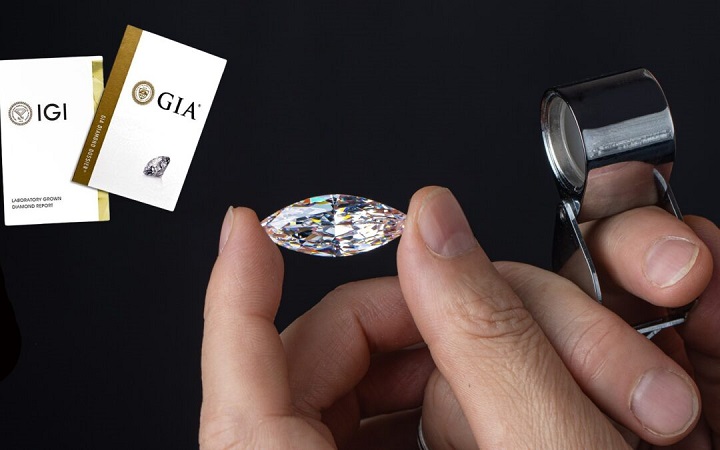
These institutions examine several characteristics of a diamond including cut, color, carat weight, and 鑽石淨度 (diamond clarity). The reports serve as a reliable reference when buying or comparing diamonds. Let us look into what these organizations do and how they affect your purchase.
What Does a Grading Report Contain?
A diamond grading report gives a technical description of the stone. The main sections include:
- Cut – Evaluates symmetry, polish, and proportions
- Color – Measures how colorless the stone is
- Carat Weight – Refers to the weight of the diamond
- Clarity – Indicates the presence of flaws or marks
These details help buyers make a better choice. The report does not determine value but provides accurate grading based on laboratory findings.
Role of GIA in Grading
GIA is an independent organization known for setting consistent grading methods. It introduced the 4Cs system, which is widely accepted in the diamond industry.
In clarity grading, GIA follows a scale that ranges from Flawless (FL) to Included (I3). Every stone is inspected under magnification and by multiple graders to avoid inconsistency. The diamond clarity grade is assigned based on the number, size, position, and nature of inclusions or blemishes.
The report comes with a diagram marking any visible flaws. A report number is also included, allowing tracking and verification online.
Role of IGI in Grading
IGI also offers grading services and is commonly used by manufacturers and retailers. It evaluates both natural and lab-grown diamonds.
The grading system used by IGI is similar to GIA. However, it may vary slightly in how certain grades are assigned. For example, a diamond graded as VS2 by IGI might receive a slightly lower grade from GIA under strict review.
IGI reports are also used for jewelry items, not just loose stones. They provide clarity based on accepted criteria. Their laboratories are present in several countries and serve both retail and wholesale sectors.
GIA vs IGI – What’s the Difference?
Both GIA and IGI follow similar grading systems, but they are not identical in practice. Some of the key differences include:
- Consistency – GIA is often considered more conservative. IGI may give slightly higher grades in certain situations.
- Acceptance – GIA reports are usually preferred for high-value stones. IGI is more common in commercial segments and lab-grown markets.
- Processing – IGI may have faster turnaround and lower service charges for large quantities.
Understanding these differences helps when comparing two diamonds graded by different labs.
How to Choose Between GIA and IGI?
Choosing a grading report depends on the purpose of your purchase. For high-value or investment-grade stones, GIA might be the better choice due to its cautious grading. If you are buying lab-grown or need quick processing, IGI is often used by sellers.
In either case, reviewing the report carefully is important. Look at the 鑽石淨度 grade, study the diagrams, and confirm that the stone’s appearance matches the information provided.
Conclusion
GIA and IGI both offer useful insights into a diamond’s characteristics. Their grading reports are based on the same principles, but slight differences may be present in their evaluations.

 File Artie