
Swimming pool construction is a big decision that affects both your property and the surrounding environment. Apart from budget and design preferences, it is important to consider how your choices impact natural resources, energy consumption, and long-term maintenance. This article will walk you through key environmental factors that should influence your pool building process.
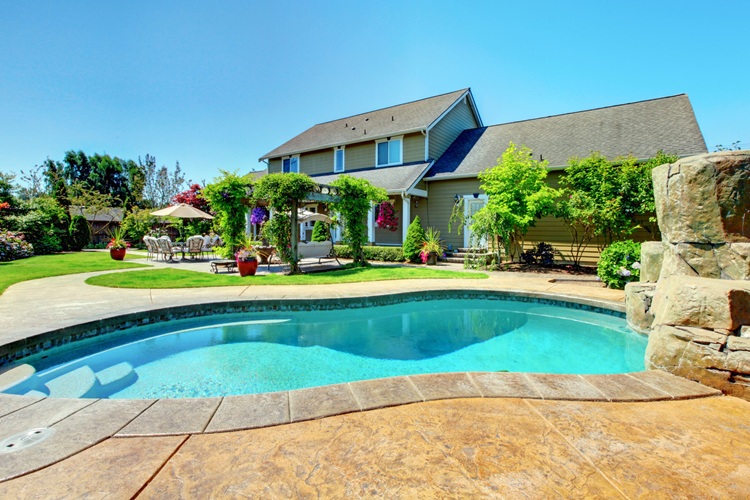
Site Selection and Land Use
One of the first things to think about is the location of your pool. The land where you build your pool can affect natural drainage, local vegetation, and even soil stability. Choosing a site with minimal slope and away from tree roots can help reduce disruption to the environment.
If your property is near a water body or in an ecologically sensitive zone, you may need to follow additional regulations. Avoid removing too much greenery during site preparation. It is better to work with what is already available rather than make drastic changes to the terrain.
Water Usage and Conservation
Swimming pools require a significant amount of water to fill and maintain. Depending on your location, this can put pressure on local water supplies, especially during dry seasons.
To reduce impact, consider installing water-saving features. A pool cover reduces evaporation. A rainwater harvesting system can help with topping up the water level. You can also look into cartridge filters, which use less water than traditional sand filters when cleaning.
Using a backwash system efficiently and avoiding frequent draining also helps conserve water. These small adjustments can prevent waste and lower your pool’s effect on local water demand.
Energy Consumption
Running a swimming pool takes energy. Pumps, heaters, and lighting systems are the main contributors. Choosing energy-efficient equipment can make a noticeable difference in your electricity use.
Opt for variable-speed pumps. These are more efficient than single-speed pumps and reduce energy use during off-peak hours. For heating, solar heaters or heat pumps are better choices compared to traditional gas heaters.
For lighting, LED pool lights consume less power and last longer. All these decisions combined will help reduce the carbon footprint of your swimming pool.
Chemical Usage and Runoff
Pool chemicals like chlorine and algaecides are necessary for sanitation but can harm the environment if handled poorly. When water containing these chemicals enters storm drains or natural water bodies, it affects aquatic life.
To reduce this impact, stick to proper dosing guidelines. Using a pool cover also helps by keeping out debris, which reduces the need for chemical adjustments.
You can also consider saltwater pool systems. These generate chlorine through electrolysis and may lead to fewer chemical imbalances over time. However, saltwater still needs responsible maintenance to avoid soil and plant damage from overflow or leaks.
Material Selection
The materials used in swimming pool construction affect both the environment and the lifespan of the pool. Locally sourced materials have a smaller transportation footprint.
Choosing durable finishes, like stone or tile, means less frequent replacement and fewer resources used over time. Avoid materials that release harmful compounds into the air or water.
Recycled materials can also be considered for decking and surrounding structures. This adds value without putting strain on raw resources.
Waste Management During Construction
Pool construction often creates a lot of waste — from soil removed during excavation to packaging from equipment. A proper waste management plan should be part of your project.
Separate construction waste into recyclable and non-recyclable categories. Work with contractors who practice responsible disposal. Reusing excavated soil for landscaping is another way to reduce environmental disruption.
Long-Term Maintenance Impact
Think about how much maintenance your pool will need in the long run. A design that includes self-cleaning features or energy-efficient circulation systems can make maintenance easier and lower its impact.
Scheduling regular inspections helps catch leaks or equipment problems early. This prevents further damage and reduces resource use.
Using digital timers and automation can also help you control when and how systems run. This avoids unnecessary use of power and water, especially if you are away from home.
Conclusion
Swimming pool construction involves more than just design and functionality. It also involves choices that affect the environment for years to come. By considering land use, water consumption, energy needs, chemical handling, and material selection, you can reduce negative effects and create a pool that is both enjoyable and environmentally responsible.
Making careful decisions at each stage of construction will benefit both your home and the natural surroundings.

 File Artie