
Electrical panels control the flow of electricity in buildings. Without proper safety measures, risks increase significantly. These panels handle high voltage and current daily. A small fault could cause serious damage or injury. Safety standards guide how panels should be designed and installed. Following these rules protects both people and property from electrical hazards.
The Role of Safety Standards
Safety standards set the rules for electrical panel construction. They ensure materials and components meet strict quality requirements. Panels must withstand heat, moisture, and mechanical stress. This prevents breakdowns or dangerous faults. These standards reduce the chance of fires caused by faulty wiring or overloads. Without compliance, panels might fail prematurely and put users at risk.
Preventing Electrical Hazards
Electrical panels pose serious dangers like electric shocks and fires. Safety standards require proper insulation and grounding to reduce these risks. Panels must also include protective devices such as circuit breakers and fuses. These devices interrupt current flow during faults or overloads. Standards ensure these protections are reliable and effective. This saves lives by preventing accidents caused by electrical faults.
Ensuring Reliable Operation
Safety standards improve the durability and performance of electrical panels. A well-built panel avoids unexpected shutdowns and equipment damage. Consistent quality ensures electrical systems work as intended. This minimizes costly repairs and downtime in homes or businesses. Standards also help technicians quickly identify issues during maintenance. Reliable operation means smoother electrical supply and safer environments.
Importance of Proper Installation
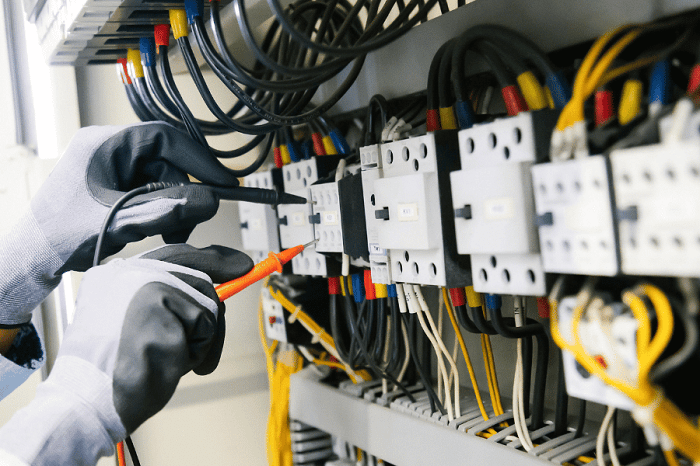
Proper installation is critical for safety compliance in electrical panels. The Montaje de cuadros electricos, or panel assembly, must follow specific guidelines. Correct wiring and secure connections reduce the chance of loose contacts and overheating. Qualified electricians use these standards to ensure safe setups. Poor installation can defeat the purpose of even the best-designed panels. Following installation rules keeps systems safe and efficient.
Legal and Insurance Implications
Adhering to safety standards is often legally required by building codes. Non-compliance can lead to fines or shutdowns by authorities. Insurance companies also demand proof of compliance for coverage. In case of accidents, failure to meet standards may void insurance claims. This leaves owners financially vulnerable for damages or injuries. Meeting safety standards protects owners legally and financially.
Conclusion
Electrical panels are vital components in any electrical system. Their safety depends heavily on strict adherence to established standards. These rules protect people from hazards and ensure reliable power distribution. Proper design, installation, and maintenance based on these standards reduce accidents. Compliance also supports legal and insurance requirements, adding extra protection. Ultimately, safety standards help keep our homes and workplaces secure.

 File Artie