
Architecture is more than just creating buildings. It’s about listening to the people who will use those spaces. But how exactly do architecture studios incorporate client feedback into their designs? This process is often complex, involving many conversations and revisions. Let’s explore how studios turn ideas and suggestions into final blueprints. Understanding this can reveal the true art behind architecture.
Starting with Client Conversations
The first step begins with deep discussions. Architects ask clients about their needs, lifestyle, and vision. These talks help studios grasp the essence of what clients want. They don’t just focus on aesthetics but functionality too. A studio like estudio de arquitectura Valencia is known for valuing these early conversations highly. This initial input sets the foundation for all future design choices.
Iterative Design Process
Once ideas are collected, architects draft initial designs. These drafts are shared with clients for feedback. Studios expect clients to provide honest thoughts on every detail. It’s common for several rounds of revisions to happen. Each cycle refines the design closer to the client’s dream. This iterative process ensures nothing important is overlooked.
Visual Tools to Enhance Understanding
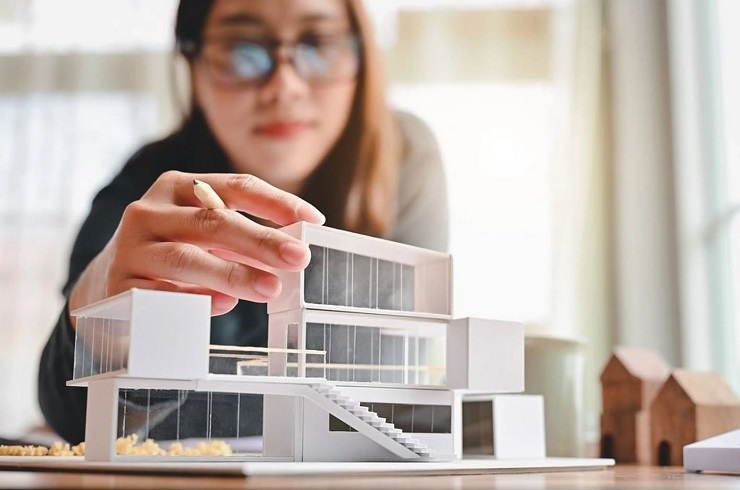
To make feedback clearer, studios use various visual aids. These include 3D models, sketches, and virtual reality walkthroughs. Visual tools help clients see how ideas will look in real life. They make it easier to spot issues or suggest changes early on. This approach reduces misunderstandings between architects and clients. It also speeds up the approval process.
Balancing Practicality and Creativity
Client feedback sometimes challenges architects to balance creativity with feasibility. Not every idea can be executed exactly as imagined. Studios must consider budgets, building codes, and technical limitations. Successful architecture studios navigate these constraints carefully. They find ways to honor client wishes without compromising safety or function. This balance is key to a satisfying final design.
Open Communication Throughout
Effective communication doesn’t end after the first meetings. Studios maintain ongoing contact with clients during the entire project. Regular updates and site visits keep everyone on the same page. This transparency builds trust and allows for timely adjustments. It also ensures the project evolves smoothly with client input. Such openness is a hallmark of respected architecture firms worldwide.
Conclusion
Architecture studios shape their designs through constant client collaboration. From initial talks to detailed visuals, every step involves listening carefully. The creative challenge lies in turning feedback into practical, beautiful spaces. Through patience and communication, studios create buildings that truly reflect client dreams.

 File Artie