
Proper care of your pool’s surface and equipment plays a critical role in preserving its condition and functionality. Neglect in these areas can lead to costly repairs, reduced performance, and premature deterioration. Whether your pool is newly constructed or has been in use for several years, consistent maintenance practices will help extend its lifespan and maintain its appearance.
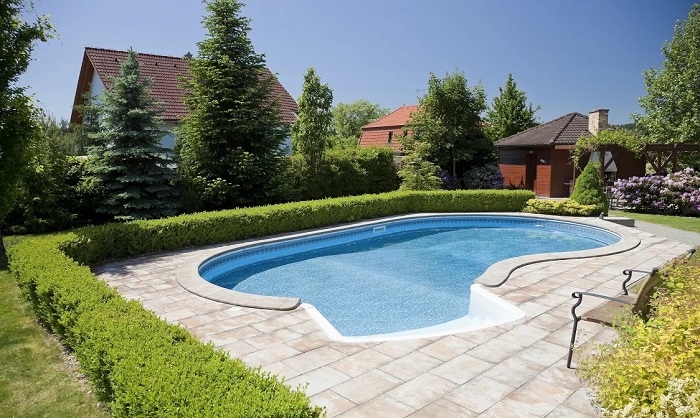
Best Ways to Maintain and Extend the Lifespan of My Pool’s Surface and Equipment
Regular Cleaning of Pool Surfaces
Cleaning the pool surface prevents buildup of algae, scale, and debris that can damage finishes over time. Use a soft-bristle brush to scrub the pool walls and floor at least once a week. Focus on areas with poor circulation, as they are more prone to algae growth. For tiled surfaces, regular brushing prevents calcium deposits, which can lead to staining or surface roughness.
Vacuuming the pool weekly is also important to collect dirt and particles that brushing may loosen. Automatic pool cleaners can help with this process, but periodic manual vacuuming provides a more complete clean, particularly in corners and steps where debris tends to settle.
Maintaining Proper Water Chemistry
Water balance has a direct impact on the longevity of both the surface and the equipment. Unbalanced water can cause scaling, corrosion, or discoloration. Testing water at least twice a week is recommended during frequent use, especially in summer. The following levels should be regularly monitored:
- pH: Keep between 7.2 and 7.6
- Chlorine: Maintain 1.0 to 3.0 ppm
- Alkalinity: Target 80–120 ppm
- Calcium Hardness: Keep within 200–400 ppm
Using a reliable water testing kit allows accurate readings and helps you apply the right treatment to prevent long-term damage. If left unchecked, improper water chemistry can degrade plaster, cause metal parts to corrode, and reduce equipment lifespan.
Monitor and Maintain Filtration Systems
A well-functioning filtration system is necessary for removing dirt and organic matter. Clean the pool filter regularly based on the type of system used—cartridge, sand, or diatomaceous earth (DE). For sand filters, backwashing may be required every two weeks or when the pressure gauge rises by 8–10 psi above normal. Cartridge filters should be rinsed once a month and replaced when worn or damaged.
Also, inspect the pump basket and skimmer basket weekly. Remove leaves, insects, or debris that may restrict water flow. Poor circulation places strain on the system and can reduce its operational life.
Schedule Periodic Inspections
Even if your pool appears to function correctly, a scheduled inspection by a technician can detect minor issues before they escalate. Cracks in the surface, unusual sounds from the pump, or slight discolorations in the water can be early indicators of larger problems.
These inspections should ideally be done at the beginning and end of the swimming season. A technician will evaluate the condition of pool walls, pump seals, pipe fittings, and more. This step is especially important for those engaged in construccion piscinas Xativa, as maintaining new installations from the start helps preserve both structure and appearance over time.
Conclusion
A systematic approach to pool maintenance preserves its visual appeal and mechanical efficiency. Regular cleaning, balanced water chemistry, and timely equipment servicing reduce wear and avoid unexpected failures. Whether your pool has been recently completed or is part of a long-standing property, these methods support its durability.

 File Artie