
Water damage on a roof or terrace can lead to significant structural problems if not detected early. Many signs of deterioration are not immediately visible, making it important to recognize subtle indicators. Identifying these early signs allows for timely maintenance, helping to prevent larger and more expensive repairs. Below are the hidden signs of water damage on your roof and terrace that should not be overlooked.
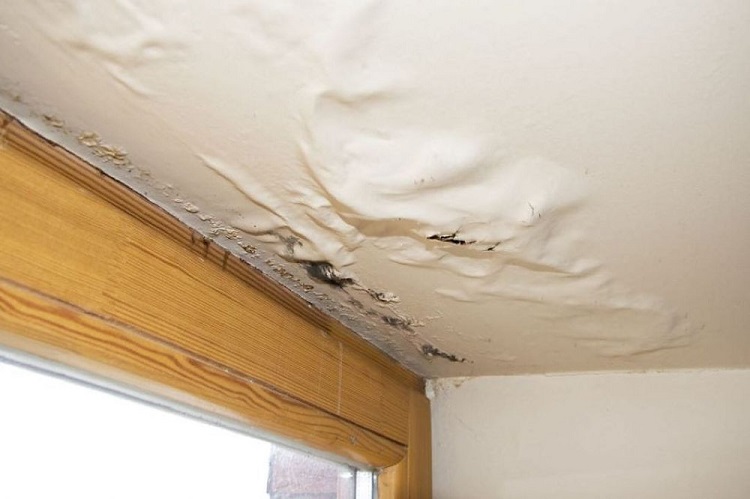
Hidden Signs of Water Damage on Roof and Terrace
Discoloration and Stains
One of the earliest signs of water damage is discoloration. Water stains often appear as dark patches or yellowish rings on ceilings or terrace surfaces. These marks usually indicate water penetration through the roofing material. On a terrace, you may notice staining along the edges where water tends to accumulate. Persistent damp patches, even after dry weather, suggest water is trapped within the structure.
Peeling or Bubbling Paint
Excess moisture beneath painted surfaces can cause paint to peel, bubble, or crack. This is particularly common on terraces where constant exposure to the elements increases the likelihood of water infiltration. Peeling paint on the underside of your roof overhang or the walls adjacent to the terrace indicates that moisture is seeping through the structure. Addressing this early can prevent further deterioration and the need for more extensive repairs.
Mold and Mildew Growth
Mold and mildew thrive in damp environments. If you notice musty odors, black spots, or greenish patches on the roof or terrace, it is a clear sign of prolonged moisture exposure. These growths not only indicate water damage but also pose health risks due to poor air quality. Regular inspections are essential to detect and address areas where mold may develop.
Cracks in the Surface
Small cracks on the terrace surface or along the roofline are often overlooked, but they can allow water to seep into the underlying structure. Over time, these cracks can widen, leading to more serious damage. Regularly checking for and sealing visible cracks helps to prevent water from penetrating and causing further structural issues.
Clogged or Overflowing Drains
Blocked drains on terraces can cause water to pool, increasing the risk of seepage. If water does not drain properly, it can infiltrate the underlying layers. Regular cleaning of drainage systems reduces the likelihood of blockages and helps to maintain proper water flow. In cases where drainage is insufficient, professional solutions like impermeabilizaciones Valencia can offer effective protection against water ingress.
Damaged Roofing Materials
Shingles or tiles that are cracked, loose, or missing provide easy entry points for water. On a terrace, broken paving materials can also create gaps where water can penetrate. Routine visual inspections help identify areas where materials have deteriorated. Addressing these issues promptly prevents water from reaching deeper structural layers.
Soft or Spongy Areas
If walking on the terrace reveals soft or spongy spots, it may indicate water saturation beneath the surface. This condition weakens the structural integrity and increases the risk of further deterioration. In roof areas, soft patches may indicate rotting wood or compromised insulation. Early intervention can prevent structural failure and the need for extensive repairs.
Conclusion
If signs of water damage are present, seeking professional evaluation and maintenance is advisable. Preventative measures and prompt repairs not only protect structural integrity but also extend the lifespan of your roof and terrace.

 File Artie