
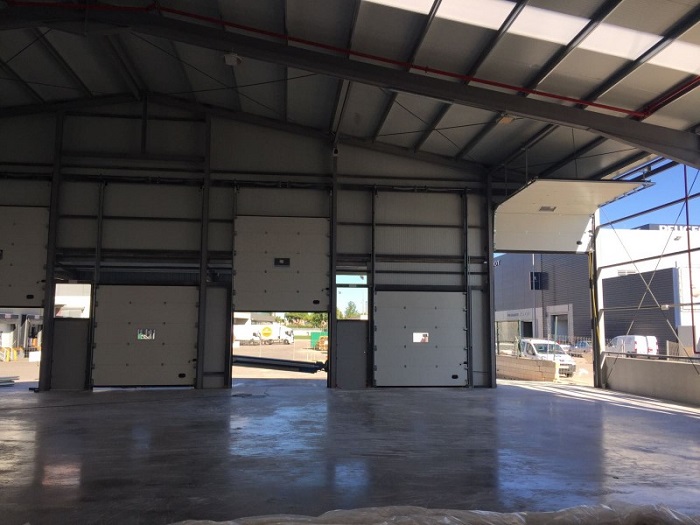
Industrial sectional doors are the lifeline of warehouses, distribution centers, and manufacturing plants. They must operate efficiently to keep daily operations running smoothly. But constant use, harsh weather, and mechanical wear can take a toll on their performance. Without proper maintenance, they may fail unexpectedly, causing costly downtime. So, how can businesses ensure their doors remain reliable and safe? The answer lies in a routine maintenance plan that addresses every component. Let’s uncover the crucial steps that keep puertas seccionales industriales in top working condition.
The Silent Enemy of Industrial Doors
Dirt and debris are among the biggest threats to industrial doors. Tiny particles accumulate in the tracks, hinges, and rollers, creating unnecessary friction. This buildup slows down movement and forces motors to work harder. Over time, increased resistance leads to overheating and potential motor failure. Regular cleaning with a dry cloth or soft brush removes dust before it becomes a serious issue. For stubborn grime, a mild detergent and warm water help clear away residue. Keeping the tracks and moving parts clean ensures smooth and efficient operation.
Why Lubrication Changes Everything
Friction is the silent destroyer of mechanical systems. Without proper lubrication, metal components grind against each other, leading to premature wear. Lubrication reduces resistance, prevents overheating, and minimizes the risk of damage. A high-quality, non-greasy lubricant should be applied to hinges, rollers, and bearings every few months. But using the wrong type of lubricant can attract dirt, causing further damage. Silicone-based or lithium grease lubricants work best for industrial doors. A properly lubricated door moves effortlessly and lasts significantly longer.
When Small Inspections Prevent Big Problems
Many mechanical failures start as small, unnoticed issues. A simple misalignment, a loose bolt, or a slightly frayed cable can quickly escalate. Regular inspections allow businesses to catch problems before they become costly repairs. Hinges should be checked for tightness, and tracks should be examined for warping. Springs and cables should be inspected for signs of wear or rust. Listening for unusual noises during operation can also reveal hidden mechanical issues. A quick monthly inspection can save companies thousands in repair costs.
The Risks of Neglecting Sensors
Modern industrial doors rely on safety sensors to prevent accidents. These sensors detect obstacles and stop the door from closing if something is in its path. But dirt, dust, and misalignment can cause them to malfunction. A faulty sensor may fail to detect objects, increasing the risk of damage or injury. Testing sensors weekly ensures they function correctly. If they fail to respond, recalibration or replacement is necessary. Well-maintained sensors not only protect employees but also prevent costly legal liabilities.
Conclusion
Industrial sectional doors are vital for business operations, but they require consistent maintenance to perform reliably. Cleaning debris, applying proper lubrication, and conducting frequent inspections prevent unnecessary wear and tear. Ensuring that sensors are properly aligned and functional enhances workplace safety. Protecting doors against extreme weather extends their lifespan and prevents structural damage. A well-maintained industrial door operates smoothly, minimizes repair costs, and keeps business operations running efficiently.

 File Artie