
Building rehabilitation is a process that revitalizes existing structures, improving their functionality, safety, and appearance. While the immediate benefits might seem to lie in the physical improvements to the structures, the impact extends far deeper, influencing the quality of life for residents and fostering positive changes in the wider community. This article explores how rehabilitated buildings contribute to these outcomes, addressing both personal and communal benefits.
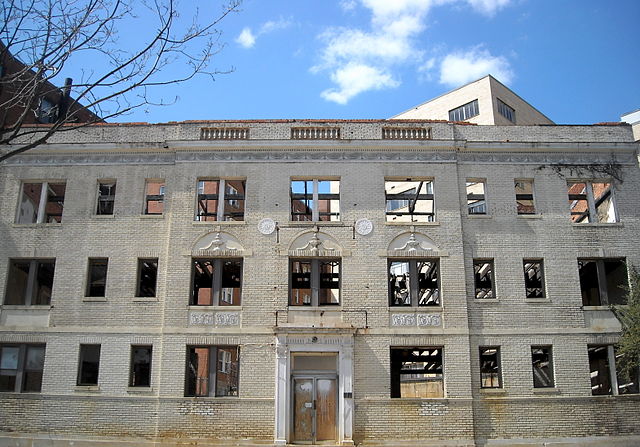
How Building Rehabilitation Impacts the Lives of Residents and Communities?
Improved Safety and Living Conditions
The primary goal of building rehabilitation is to address structural deficiencies and outdated systems. For residents, this translates into safer and more comfortable living conditions. Reinforcing the foundation, replacing damaged roofs, and upgrading electrical and plumbing systems eliminate risks such as water damage, electrical hazards, and structural instability. Additionally, rehabilitated buildings are often brought in line with modern safety codes, offering peace of mind to those who live or work in them.
For instance, incorporating better insulation and energy-efficient windows during the rehabilitation process can significantly reduce energy consumption, leading to lower utility bills. These enhancements not only improve the daily lives of residents but also make the buildings more environmentally sustainable.
Strengthening Community Bonds
Communities thrive when their infrastructure supports engagement and collaboration. Rehabilitación de edificios often includes improvements to common spaces such as lobbies, courtyards, or shared recreational areas. These upgrades create inviting environments where residents can interact, fostering a sense of community.
Moreover, rehabilitated buildings can elevate the overall aesthetic of a neighborhood. When multiple properties are upgraded, they collectively enhance the neighborhood’s visual appeal. This often encourages a sense of pride among residents and motivates them to maintain their surroundings, reinforcing community bonds.
Economic Revitalization
Rehabilitation projects often stimulate local economies. During the process, construction teams, architects, and suppliers are engaged, creating job opportunities. Beyond the immediate economic boost, these projects can increase property values, attracting new businesses and residents to the area.
For communities, the ripple effects are substantial. Higher property values mean increased tax revenues, which can be reinvested in public amenities such as parks, schools, and transportation. These improvements further benefit residents by providing better resources and services. This cycle of investment and improvement strengthens the economic health of the entire community.
Preservation of Cultural and Historical Significance
Many rehabilitation projects involve older buildings that carry historical or cultural value. Restoring such structures preserves the character and identity of a neighborhood, connecting residents to their shared heritage. For long-term community members, this can instill a sense of continuity and belonging.
Additionally, rehabilitating culturally significant buildings often draws attention from visitors and potential residents, creating opportunities for tourism and cultural exchange. For the community, preserving these landmarks is not just about maintaining a building but also about safeguarding a legacy that future generations can appreciate.
Conclusion
Building rehabilitation is much more than a structural upgrade. It improves safety, enhances quality of life, strengthens communities, and promotes economic and environmental sustainability. The far-reaching benefits make it a valuable investment for both individuals and society. By revitalizing existing spaces, building rehabilitation fosters stronger, more connected communities and creates a lasting positive impact on the lives of residents and the neighborhoods they call home.

 File Artie