
Metal carpentry is the art of working with different metals to create things and buildings. It calls for a trifecta of accuracy, aptitude, and technical understanding. Depending on the requirements of the project, many techniques are employed in metalworking to cut, shape, and assemble metal components. These methods include both contemporary machine-assisted procedures and more conventional manual methods. Comprehending these methodologies is vital for individuals employed in the metal carpentry sector. Let’s examine some of the main methods used in this industry.
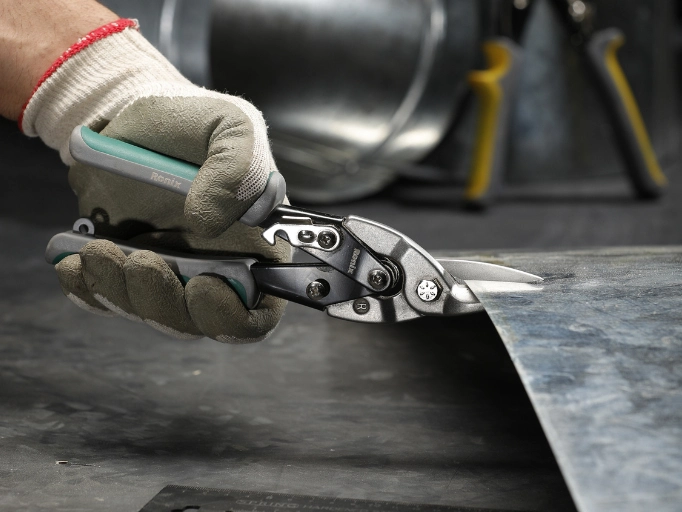
Using Precision Tools to Cut Metal
One of the most basic methods used in metal carpentry is cutting. For precise sizes and forms, this procedure entails cutting through metal bars, sheets, or tubes. When cutting metal, workers usually utilize saws, shears, or lasers. Because laser cutting provides precise results and sharp edges, it has grown in popularity. Before cutting, metalworkers must take exact measurements to guarantee that the finished item fits exactly. Accurate metal cutting during construction saves resources and time.
Using Bending Techniques to Shape Metal
Another important technique in carpintería metálica Xátiva is bending metal. Metalworkers may produce angles and curves in metal sheets or bars using this method. Hydraulic presses are the best equipment for bigger jobs, while manual bending instruments like hammers and clamps are utilized for simpler jobs. The final form is determined by the angle and pressure used during bending. To keep the metal from breaking or losing its strength, the process must be closely regulated. In many construction projects, shaping metal by bending is a regular necessity.
Metal Welding to Create Sturdy Joints
In metal carpentry, welding is a commonly used process to connect two or more pieces of metal. Depending on the kind of metal and the needs of the project, several welding techniques, such arc, MIG, and TIG welding, are used. The metal pieces are heated to a point where their edges melt and fuse together when they cool. Expert welders are able to produce robust, long-lasting welds that often blend nicely with the original metal. For both industrial and residential operations, welding is essential to the construction of sturdy buildings.
Using Rivets and Screws to Secure Metal
Metal pieces are often fastened together using fasteners like screws and rivets when welding is not appropriate or required. This method offers a more straightforward yet efficient approach to join metal parts. In order to rivet two components together, a metal pin must be inserted through their aligned holes, and the end must be bent to secure the pieces. Conversely, screws are threaded and simple to tighten and untighten. When parts need to be taken apart or altered over time, fastening is a crucial approach.
Surface Coating for Visual Appeal and Safety
After the metal has been formed, cut, and joined, it often has to be surface-finished. To improve the metal’s look and prevent corrosion, this technique include cleaning, polishing, or coating it. Grinding and sandblasting are two methods used to level uneven surfaces and edges. Protective coatings, such paint or galvanizing, stop corrosion and increase the metal’s lifetime. A final product’s durability and aesthetic appeal depend heavily on surface finishing.
Conclusion
A variety of methods are used in metal carpentry, and each is essential to the creation of superior metal buildings. Every technique, from shaping and cutting to welding and attaching, calls on accuracy and knowledge. Understanding these methods is essential for any metalworker who wants to create creations that are both long-lasting and aesthetically pleasing.

 File Artie