
Anyone can start a podcast, but creating one that sounds professional requires the right audio equipment. This includes a quality microphone and recording software.
Many podcasters also film their shows, which requires a camera and lighting and FX rental. Consider a tripod to keep your camera steady, and consider using a backdrop that matches your podcast’s theme or branding.
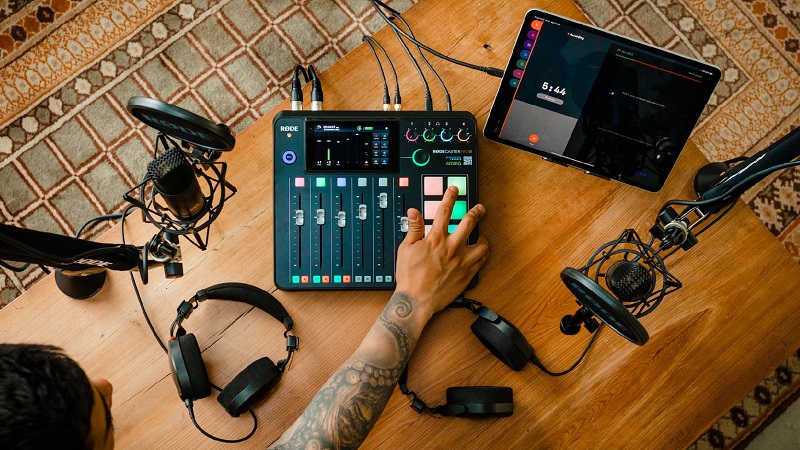
Microphone
A podcast microphone is the most essential piece of equipment for any newbie podcaster. A high-quality mic will help you record smooth, clear, and crisp audio, while reducing background noises and unwanted sounds.
USB microphones are perfect for beginners as they work on a plug-and-play basis and don’t require an audio interface or mixer. They are available at a very affordable price and provide excellent sound quality for your podcasts.
An audio interface acts as a bridge between your microphone and computer, converting analog signals to digital audio signals that can be recorded in the computer. It offers a better analog-to-digital conversion than the built-in sound card of your computer, allowing you to achieve higher-quality recordings.
For those who are serious about podcasting, an XLR mic with an audio interface is the way to go. It allows you to control the recording levels and provides a more professional-sounding audio. Besides, an XLR microphone has a better pick-up pattern to reduce unwanted sounds from the back of the mic. Moreover, an audio interface allows you to connect more than one microphone simultaneously for multi-host podcasts. It also comes with other features that make it an ideal choice for professional podcasters.
Audio Interface
An audio interface is a key piece of equipment that takes the analog signal from your microphone and converts it into digital information your computer can work with. It also provides more control over the quality of your recording than your computer’s built-in mic does.
The audio interface you choose depends on your budget and how many channels you need to record at once for the podcast you plan to produce. You may want to consider whether you’ll have guests or multiple hosts, and whether you’ll need them to share a mic or have their own.
For beginner podcasters, we recommend choosing a USB mic like the Blue Yeti or a cost-effective XLR mic like the RODE PodMic. These plug directly into your computer and are easy to use for beginners. If you’re serious about podcasting, we recommend an XLR microphone with a PAD (Passive Attenuation Device) which can cut a certain number of decibels from the peak level of your microphone to prevent distortion during recording and ensure that your audio sounds great even after being converted to a lossy format such as MP3. Also keep in mind that your audio interface must support the transport protocol that your computer uses to communicate with it. Currently, this is generally either USB 2.0 or USB 3.0 though we see more and more podcasters using Thunderbolt-compatible devices that are compatible with the latest Macs.
Headphones
Many podcasters choose to invest in a good pair of headphones. This allows them to hear their voice clearly and exactly how it will sound to listeners in real-time. This will help them adjust their tone and presentation style on the fly.
Headphones also enable podcasters to monitor their audio and detect ambient noise like echoes and pops. These are unpleasant sounds that can happen when words with hard consonants are spoken close to the microphone and can be difficult to edit out later on. By listening carefully and removing any ambient noise, podcasters can produce an incredibly high-quality podcast that stands out from the competition.
It’s also worth investing in a good pair of headphones if you plan to interview guests on your podcast. If you have an audio interface with multiple headphone outputs, label each one with the corresponding guest’s volume setting so that they can hear their own voice without interference.
Getting the right equipment for your podcast will make a huge difference in the quality of your final podcast recordings. Start by purchasing a good-quality microphone and an audio interface, then consider buying other equipment like soundproofing and lighting to improve the overall sound quality of your podcast. Remember that it’s less about the pricey equipment and more about your content and your listeners’ experience.

 File Artie